Conor Schlosser: A Family Legacy of Film and Philanthropy
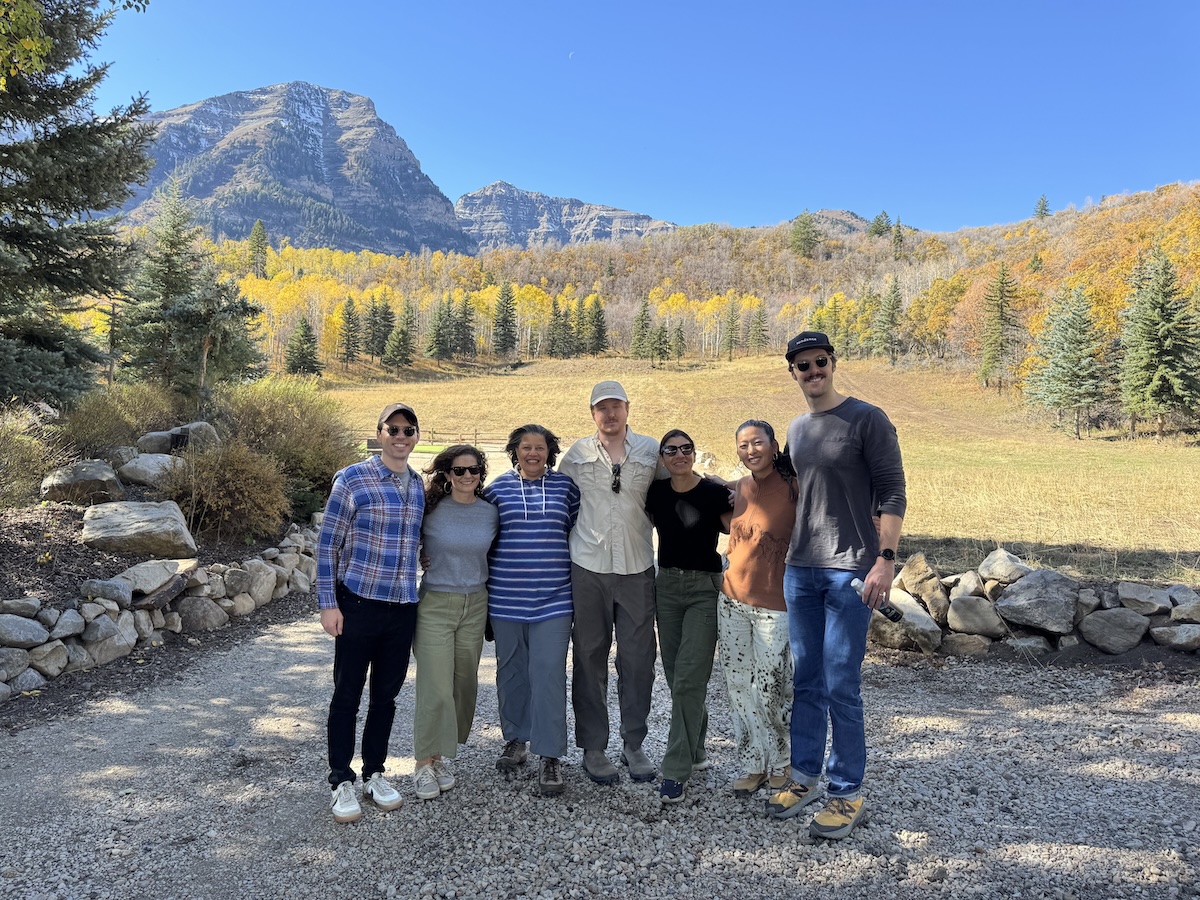
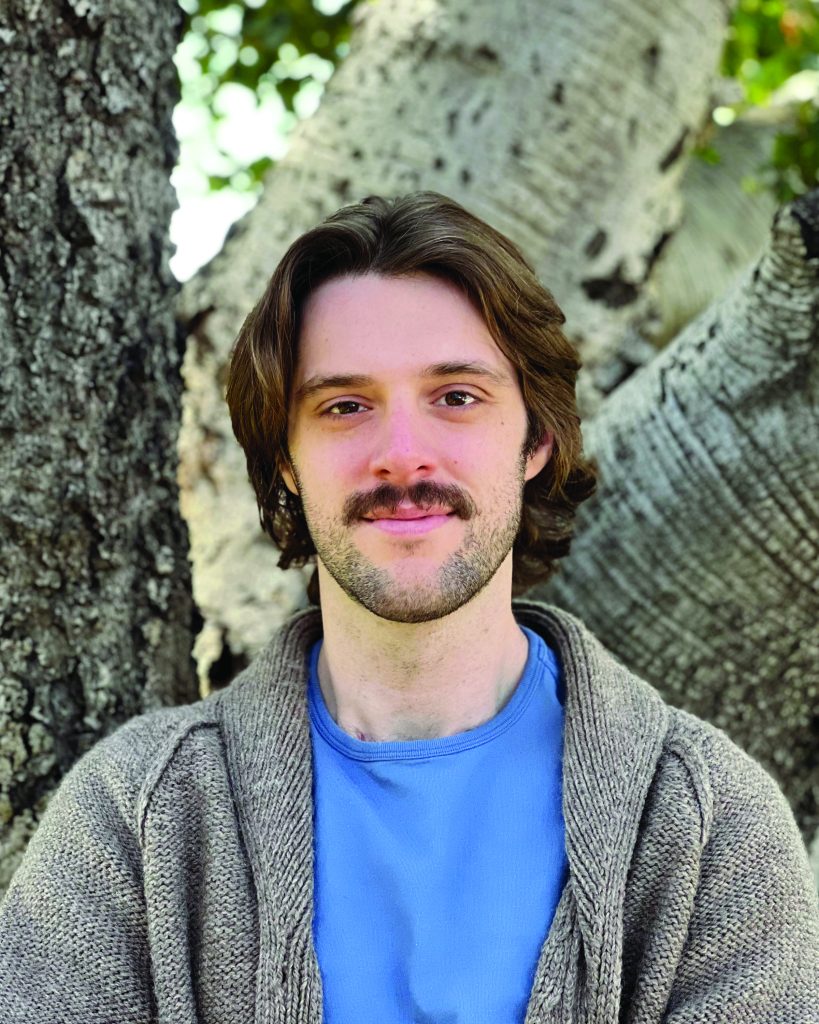
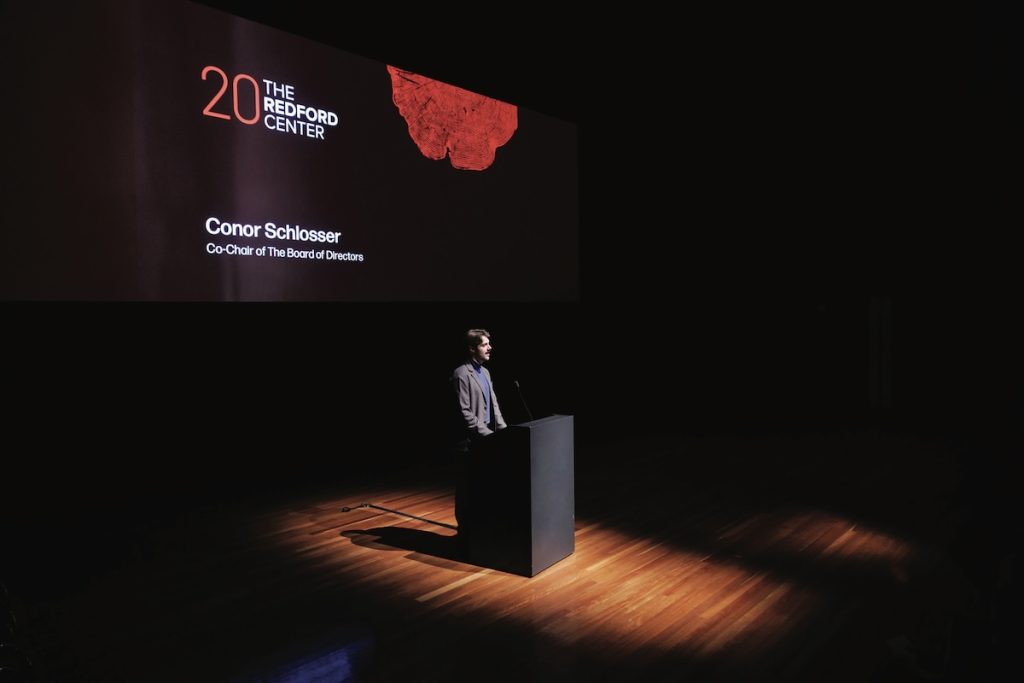
Conor Schlosser grew up surrounded by a legacy of film, environmentalism, and philanthropy shaped in large part by his grandfather, Robert Redford. Today, he is finding his own way to carry those values forward. He is the Chair of the Board of Directors of The Redford Center, a nonprofit dedicated to environmental-impact filmmaking. In this role, he helps guide and support the organization in its mission to provide filmmakers with the resources, expertise, and strategies they need to advance environmental solutions through their stories. Additionally, he provides overall leadership in building the board, recruiting new board members, and setting the tone for supporting the mission and work of the Center. He also works at the Santa Monica office of RadicalMedia, a global media and communications company, where he leads end-to-end creative development across scripted, unscripted, and hybrid formats from concept through pitch, then provides on-set support once projects are in production. Oh, and in his spare time, he’s earning an MBA at UCLA’s Anderson School of Management, in order to deepen his financial literacy, and thereby be of better service to The Redford Center. The 34-year-old Schlosser lives the family legacy, guided by his grandfather’s belief that “film can expand and deepen our relationship to the natural world, elevate underrepresented voices, and strengthen democracy.”
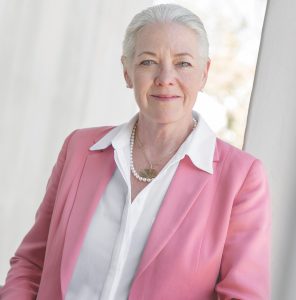
Jonas Oppenheim: Your family’s long history of philanthropy is well known. What values were ingrained in you as part of this legacy?
Conor Schlosser: From early on, my grandfather was a role model, somebody who used his platform to push forward issues around environmentalism. The way that he advocated for the environment in the ’70s put his career in jeopardy in some ways, but he was willing to put himself out there and be uncomfortable. People respected him as an authentic person because he put his money – and his time – where his mouth was. My uncle Jamie, who co-founded The Redford Center, took that on, as well. He was an incredible documentary filmmaker, focusing on important issues like the environment, toxic stress, and dyslexia and learning differences. You saw how both of them used their talents as storytellers to help people.
My grandfather instilled in my whole family the value of diving in and giving everything you have to something that you care about. That’s been really inspiring. If you care about an issue, you have to really do everything you can for it. He and my uncle recognized this unmet need with The Redford Center: There are environmental organizations, and there are independent film organizations, but in the U.S., The Redford Center is the only organization that sits exclusively at the intersection of both. It’s a place in which Bob and Jamie saw what was missing in the world, and tried to do something to be of service to people.
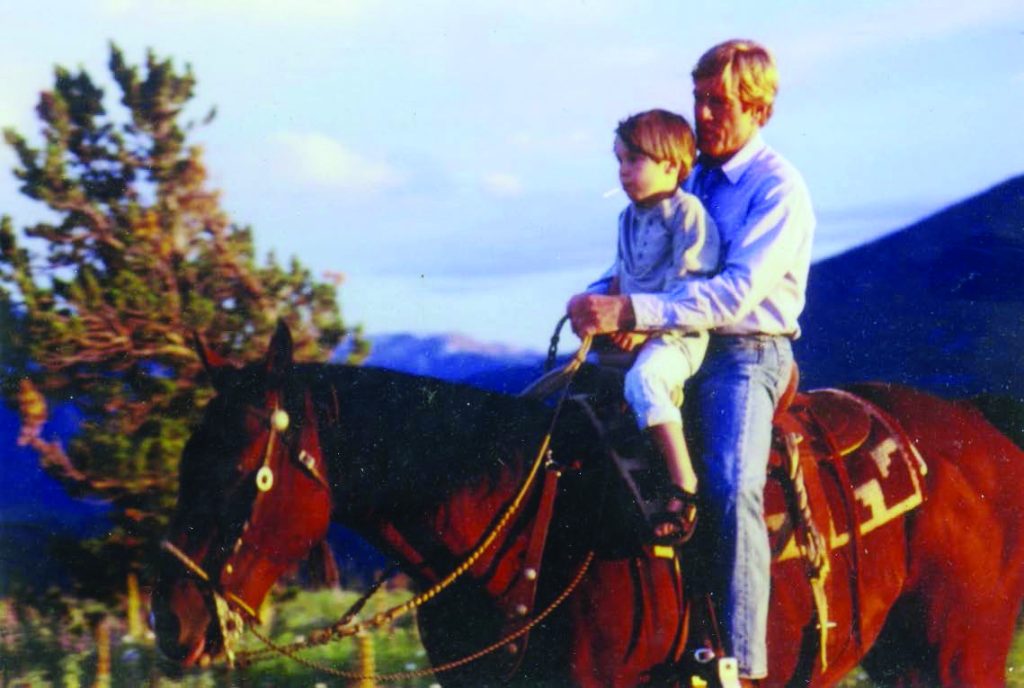
My grandpa never really sat us down to instill values. He wasn’t preaching these things. He wasn’t lecturing us in any way. The way that he passed down his values, especially on the environment, was just to take us out in it. From as young as I can remember, he would bring us out into nature, or show us films about things he cared about. It wasn’t about telling us what we should believe. It was exposing us to ideas and places and then letting us create our own thoughts around it, our own opinions. And to me, that was really valuable because I feel like I’ve gotten to the point where I do share a lot of the same values. I was raised with a strong sense of responsibility to give back through both my time and resources.
JO: And how have you forged your own path in that legacy?
CS: I feel that it’s through my involvement with The Redford Center. I’ve worked in the entertainment industry for 11 years. For the last five of them, I’ve worked for a premium documentary production company, RadicalMedia. So coming into The Redford Center, I bring a certain perspective and knowledge from my time in the industry. Hopefully I can use that experience to help the organization and help filmmakers have a better chance at getting their film seen, or raising funds for their film. The Redford Center is this amazing combination of my family’s main interests: the environment and independent filmmaking. And it’s a beautiful combination of those values. Being able to be part of an organization that really focuses on those values has been my way of trying to give back.
JO: How are creative people going to solve the climate crisis? And is it their responsibility?
CS: It shouldn’t be their responsibility, but unfortunately, I think it might turn out to be. Film, whether that’s narrative or documentary, has the power to create a sense of empathy in people. So filmmaking and documentary filmmaking are great tools for bringing people into an issue or a topic and exposing them to it and creating that empathy. It’s the best way to organically change people’s minds, because they’re getting information and knowledge and exposure. We’re in such a fractured information environment with a fractured sense of what the truth is, what’s real, what’s not real. Documentaries are one of the last remaining forms of long-form journalism. They play an important role, and will become even more important going forward, for bringing these issues to the forefront, and telling the truth about what’s going on.
JO: How do you see film and philanthropy intersecting?
CS: They really go hand in hand. Film can be used to encourage giving, whether that’s financial giving or getting people involved in an issue. I think giving your time and opening your network are also forms of philanthropy. Funders have seen how a film can be an incredible way of getting to decision makers and helping them not only get informed but also maybe change their minds or take action.
JO: We’ve seen success with issue-driven films like Erin Brockovich or Don’t Look Up. Is Hollywood interested in those kinds of films?
CS: We can’t depend on Hollywood. I’ve been watching old interviews with my grandfather, and it’s amazing how much hasn’t changed in the industry. Hollywood’s a business, they’re going to go where the money is. I have more faith in audiences. When audiences get something that excites them and energizes them, then Hollywood reacts to that and can service that desire. I do think that there is mainstream potential for this work. But I think it’s going to be on us, to show the industry that there is that desire. People like engaging work, and I think an important part of that is, people want to see a success story. People want to see how issues can be resolved and feel like there is hope. Especially on environmental issues, we’ve been bombarded with doomsday stories. That might have been entertainment but it doesn’t exactly make people excited and want to get involved. So it’s showing that there is a way to succeed and that there can be outcomes that will be positive.
JO: What is the difference between approaching a big donor about funding a film versus funding an organization or a campaign?
CS: I think it’s donor-specific. It’s understanding what the donor wants to be involved with. A lot of donors want to understand how the money that they’re giving is going to actually impact people. You have less success when you’re asking for a broad donation without being specific about what it will support. I don’t see a huge difference between the major donors and smaller dollar donors, because everybody wants to feel like their money is being put to good use. One of the things that we talk to donors about is how long it takes for a film to get made. Documentaries especially can take years, whether that’s what the subject matter requires or it simply takes that long to secure the funding to finish the film. So I think educating the donors and aligning expectations is a big part of it.
JO: In your position at RadicalMedia, what projects interest you?
CS: I think what Radical has been really good at is looking back at American culture with a critical eye and bringing forward a more honest truth. You can see that in Summer of Soul, which won the Academy Award a few years ago. It’s looking back at these time periods and giving a voice to artists that didn’t have that at the time or didn’t get the attention and notoriety they deserved, and showing the impact that a lot of these artists had that still resonates today. We do a lot of documentaries here, so again there’s this focus on the truth. There’s a lot of value alignment between this company and the projects that they do here, and the values that I grew up with, so it feels really fitting.
JO: You live and work in California. Do you see a role for our state in that intersection between film and philanthropy?
CS: Hopefully California can serve as an example. The industry is here. There’s a lot of money. The values that exist here are very environmentally focused. There are also a lot of environmental issues in California. I think that we demonstrate on a smaller scale how to focus on local issues, exposing those issues, bringing them to the decision makers, lawmakers, whoever, and seeing that change is actually possible. Then hopefully that model can spread throughout the country. Although I don’t want to treat California and New York as the only places where change can work, because environmental issues are happening all over the country. Environmental disasters affect everyone. They aren’t just in red or blue states. I think that’s where the movement’s run into issues in the past. It can’t just be a politically polarized issue. It’s important for the movement to widen the tent in terms of who considers themselves environmentalists. That said, I do think that California can serve as an example of how films can create tangible change.