Dr. Peter Brill: Making the Most of the Third Age
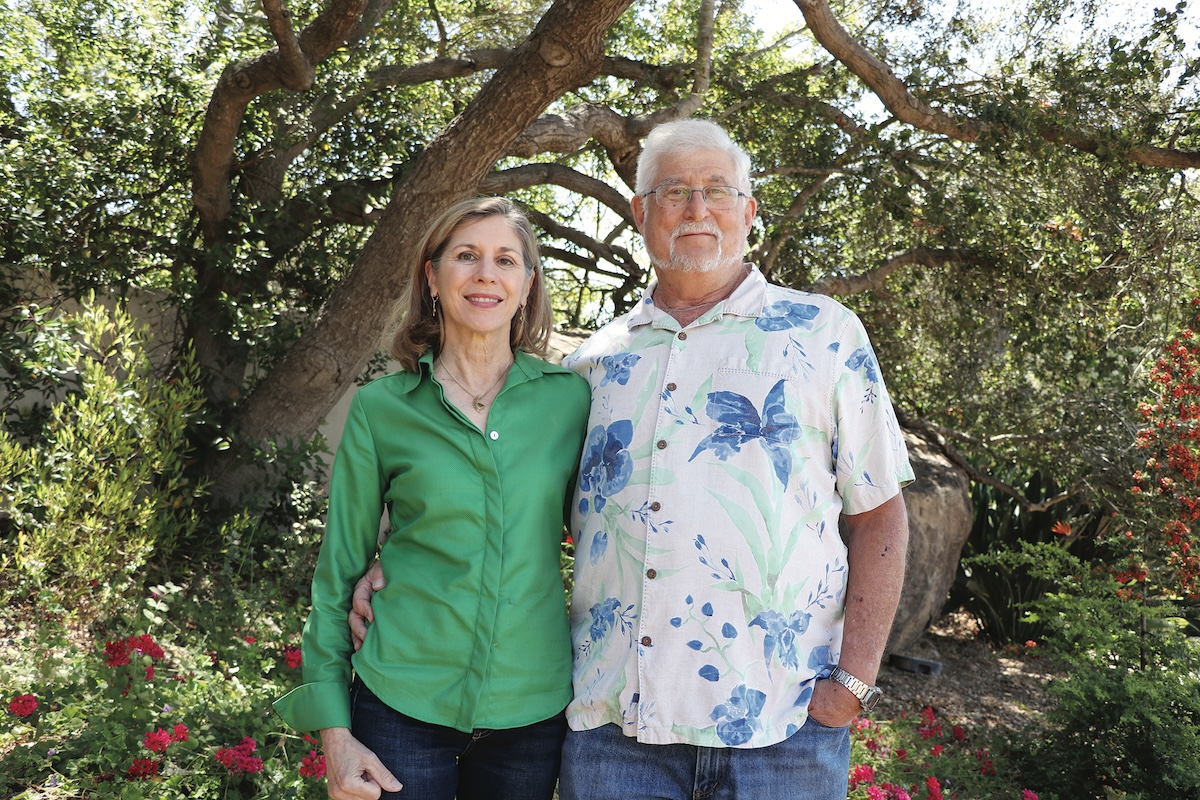
For philanthropist Dr. Peter Brill, helping people is a natural extension of how he’s lived his life. Maybe it’s because of his background as a doctor and psychiatrist, or maybe it’s just because he comes from a whole family of doctors. “That was the priesthood to us,” says Brill. “I come from that way of life.”
As a doctor, Wharton School professor, author, and founder/donor of several charitable organizations based in the Santa Barbara area, Brill has spent much of his post-career years studying happiness during the later stage of life that he dubs the “Third Age.” At 83 years old – yes, he gave me permission to print that number – he’s still exploring the science of happiness and taking the lessons from his own research.
He co-founded the Brill Family Foundation with his wife, Karen, herself another doctor in the Brill family. Their philanthropic donations are extensions of their values: manifesting joy, promoting education, and bringing people together through art and technology.
Zachary Bernstein: You’ve literally written a book on finding joy in the latter half of your life – Finding the J Spot. What’s your philosophy on joy?
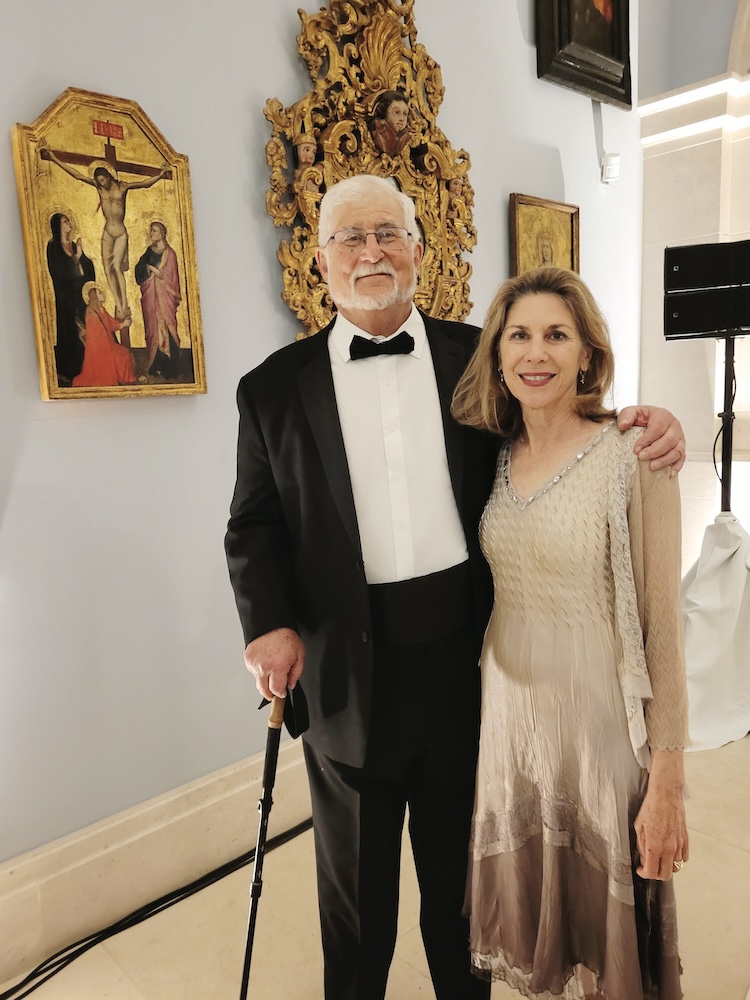
Dr. Peter Brill: Let me back up just a bit. We go through stages of life where our motivations shift. There’s early childhood and we’re mostly just trying to adapt to the world and have fun. And then there’s the second stage of life which is career and family. People are working real hard and doing lots of stuff. They take on responsibilities. Then you reach a point somewhere between 50 and 70 – sometimes earlier than that – where you get into what I call the “Third Age” where money, power, and status are not quite as important as they were in the second stage. So then the question is, how do you find happiness in that?
I retired at 52, sold out two national companies and moved to Santa Barbara. I thought I died and went to heaven. I was going to study this stage of life and my wife stepped in. She said, “If you’re going to study this stage of life, why don’t you start a radio show where you can interview people going through the experience.”
Over three or four years, I must have interviewed over 300 people. In addition to good health, most people just want something to get excited about in the morning. They want life to have a sense of purpose, or meaning.
So when you’re asking about joy, it’s partly derivative of finding passion and meaning in your life. At this stage in life, it’s rare to find joy without having meaningful relationships. Family, yes, but also people in the community and making a contribution to that community. It’s very, very difficult for people to find happiness without that.
ZB: Are there any insights on happiness that you’ve learned from studying the subject?
PB: The biggest thing that people get into are what I call ghosts of the past, prisons of the present, and fears of the future. Those things steal our energy and keep us from feeling a kind of contentment and joy. You can’t just ignore them and pretend they’re not real, but you have to get the energy out of it. The problem with being afraid of the future, of course, is you not only suffer in the present, but if bad things happen in the future, you suffer them anyway. So living in fear is a real mistake.
ZB: How do you think participating in philanthropy plays into these ideas and how does that fit in with the vision for the Brill Family Foundation?
PB: As you start searching for purpose in your life, the question is what does your life mean? And is there some way that you want to give value? Do you want to pay it forward? Is there something you want to give? If you give from your heart and experience the energy that comes back to you from that, it’ll lift your whole spirit.
The Brill Family Foundation is all about helping other people. We wanted initially to help people deal with this later stage of life. Then we wanted to help nonprofits perform their work better. Then we wanted to see if there was a more efficient way to use the money for people trying to do good.
With impact investing you win both ways. The money creates more efficiency and more growth because there’s a profit being made along with the good that’s done. There’s one group addressing a problem happening in some African villages, for example. They were using kerosene in their lanterns at night. The lanterns aren’t very bright in these little huts. Kids can’t read very well with it. It’s poisonous to inhale all those fumes. There was a for-profit out there installing solar lamps that got charged during the day and would light the homes at night. Better for reading, no fumes, better efficiency all around. And the lamps are cheap but many more are available than if it was nonprofit because the investors get a return.
ZB: When you give money, or offer grants, what qualities do you seek in a grantee? How do you determine when giving your money will effect positive change?
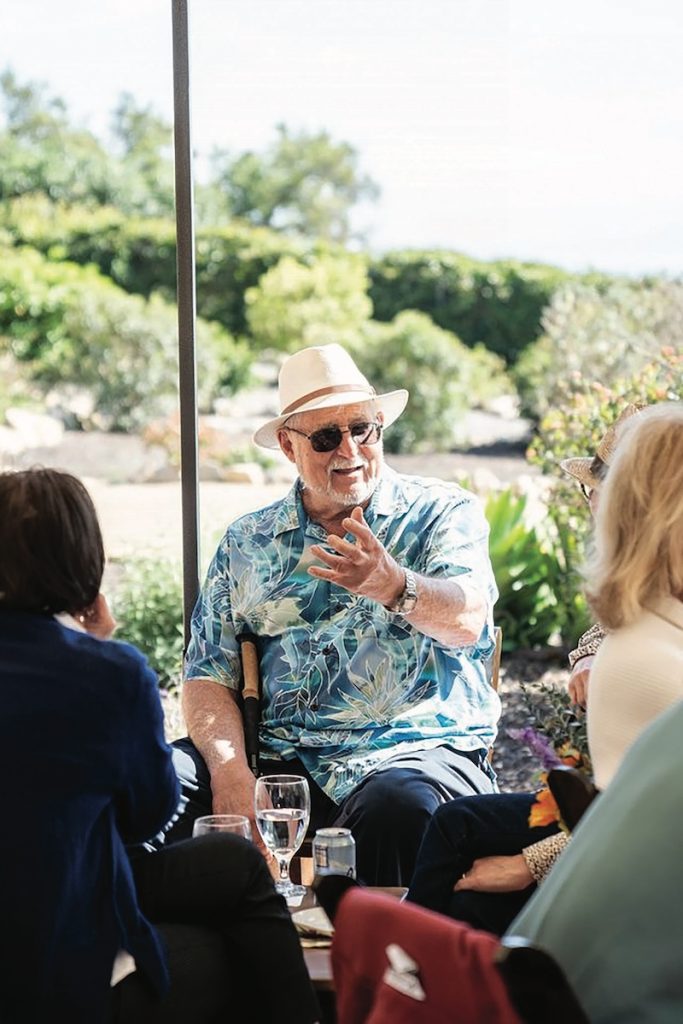
PB: It’s very, very tough. You try to find a person whose vision you believe in, who’s a good person, who you believe has good leadership skills, and for whom, on an emotional level, you believe in what they’re trying to do. We’re mostly not giving grants at this time, but we’re trying to see if we can kind of create the organization that carries out the mission. That way we have more influence and more involvement. It’s one thing when you look over 25 grant applications – sometimes they’re good, sometimes they’re not. Oftentimes you’re just one of 10 groups granting money to that organization. A lot of nonprofits are way underfunded and they’re overstressed. Sometimes the impact that your money can have is very small. I’m not Bill Gates.
ZB: Few people are. Would you say you’re more of a working-class philanthropist?
PB: Yes, there you go. I’ve always been more identified with the working class. We try to find what we call “future benders.” That is, people that are involved in an organization where a modest amount of money could change a field. We try to amplify the impact of the small amount of dollars you have to give relative to the size of the problem. Then again, we don’t always give money expecting to make an impact. Sometimes, we do it just because we think an organization ought to be supported.
ZB: You’ve spoken about the later-in-life desire for personal development, but part of that is a desire to maintain community. In your experience, how does philanthropy beget better community?
PB: The best longitudinal study ever done was the Grant Study. It’s been going on for 60 years. They picked Harvard sophomores in 1938 and they studied them every year for 20 years. The most important single predictor of health and happiness are their relationships to their family, friends, and their community. Within philanthropy, if you’re giving from your heart, you get back in your heart. You get joy and you get fulfillment and you see positive things happen and it just brings joy and energy to you.
ZB: Do you think your pursuits have expanded community for the people you collaborate with?
PB: All I can say is I hope so. It’s like throwing a pebble in the water and watching the ripples go out across the pond. You never know how you’re going to affect people. You just do the best you can in life. If you’re sitting there every day trying to say, “Is it good enough,” you’ll drive yourself crazy. You give not solely because of the final result but because the giving nourishes you.
ZB: A big part of your foundation right now has been giving grants to digital creators to create AI art. Do you see something more valuable in AI art at this time than traditional art mediums? What are you hoping to accomplish with this program?
PB: So here’s the dilemma: AI is really, really dangerous. It’s very scary what could unfold when AI reaches general intelligence and surpasses human intelligence. On the other end, there are miracles that are going to happen. They’re already starting to happen in medicine. Art’s role – what art has always done – is to make us see what’s around us, feel it more deeply, and point the direction forward.
If you think of the industrial revolution, the artists were painting factories with chimneys and blight on the land, but they were also painting other things that had come from the free time that had emerged. Good art can sometimes see the future, so I thought we could use AI art to help with the AI dilemma and all kinds of things.
ZB: There are other people in their “Third Age” with your level of success who have not been as hands-on involved in philanthropic efforts. What are they missing out on? And what would you say to encourage them to dive in and get involved?
PB: I hate to prescribe to anybody else what to do with their life, but I’d rather speak from what it’s meant to me than what it could hopefully mean to them. But for me, it provides meaning, joy, and energy to my life. Some people find that just building a boat, or spending time with their grandchildren. But for me? It’s wonderful! You give out energy from your heart, you get energy back. It’s a spiritual energy and I feel a deep sense of joy sometimes when I can see that I’ve done good.