The Capacity for Compassion
We Have More to Give
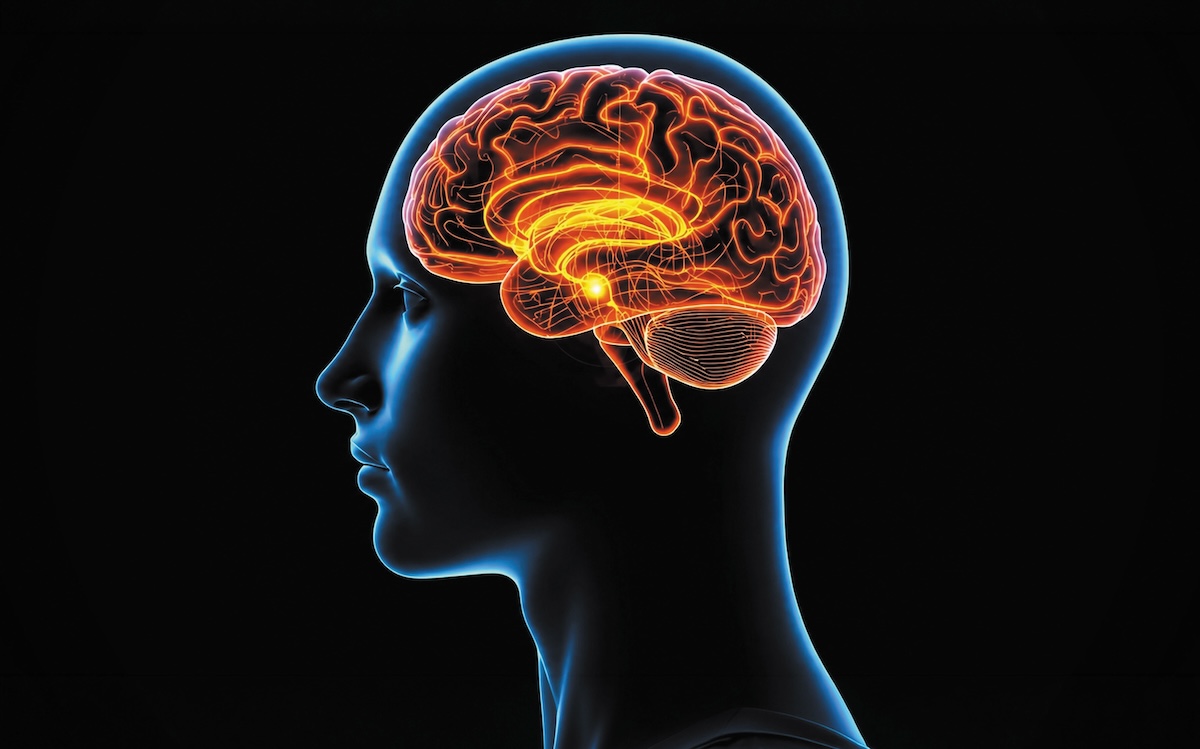
For more than 20 years, I’ve been tracking and reporting on the science of giving and generosity. I’ve learned that giving to others activates the pleasure centers of our brain and triggers the release of dopamine, a biological basis of the so-called “helper’s high.” There’s even some neuroscience suggesting that, believe it or not, people feel a “warm glow” of reward when they pay their taxes.
A 2016 study suggests that spending money on others, what researchers call “prosocial spending,” may be as good for blood pressure as a healthy diet and regular exercise. People with high blood pressure who gave away $40 saw greater drops in their blood pressure six weeks later than people who spent the money on themselves.
So it is not surprising that research conducted over decades has found that people who are more helpful and generous live longer. There may even be an evolutionary role to giving: Toddlers and non-human primates show a strong instinct for helping; researchers have found that two-year-olds delight more in giving a treat to others than in receiving one themselves, judging by their facial expressions.
So Why Is My Window Rolled Up?
So despite knowing all of this, why am I more likely than not to keep my window rolled up when I see someone at a highway offramp asking for food or money? Why do I delete about 1,000 times more fundraising emails than I open, let alone answer? How can I read statistics detailing unspeakable suffering and still not be moved to donate a penny? In other words, if generosity is so good for us, why aren’t we more generous more of the time?
These are not academic questions, and my colleagues and I explore them at UC Berkeley’s Greater Good Science Center. Since 2002, we have studied “the science of a meaningful life,” identifying and widely disseminating concrete lessons that can help people experience greater feelings of connection, happiness, and purpose in their everyday lives.
I’ve discovered that if you really want to activate your deep capacity for generosity, it is not enough to know that generosity is good for you. After all, we often fail to do what is good for us. Instead, you need to understand the barriers that can prevent you from acting on your compassionate instincts.
Exhausted by Being Asked to Care

One of the biggest barriers to giving may be traced to how our brain responds when we’re bombarded with appeals to help others.
Facing a flood of requests, we often shut down, afraid that we will be emotionally overwhelmed, and financially drained, if we truly consider them. Psychologists Daryl Cameron and Keith Payne call this “compassion collapse.” As people are faced with more suffering, they actually feel less compassion. Cameron and Payne’s research suggests this is because people are concerned about the psychological and financial risks of helping so many people and don’t want to get burned out. So they choose to budget their compassion.
But this comes at a cost. As research by Cameron and others has found, when we try to restrain our feelings of compassion, we feel worse about ourselves and are also more likely to betray our commitment to moral principles.
Another hurdle is that we often assume learning about the scope of a problem will motivate us and others to act. In truth, it is almost the opposite.
Consider this provocative experiment from researchers Deborah Small, George Loewenstein, and Paul Slovic. They had people read an appeal letter from an anti-hunger charity that was packed with statistics: “Food shortages in Malawi are affecting more than three million children.” “More than 11 million people in Ethiopia need immediate food assistance.” The researchers gave other people a letter that simply told the story of a single starving girl from Mali.
The people who read the girl’s story gave more than twice as much money as people who only read the figures on starvation. In fact, when the child’s image was accompanied by details about the millions of other children like her, people actually donated less money than when they read the child’s story alone.
In other words, all the facts and numbers seem to stunt our compassion. Researchers call it “psychic numbing.” The scale of the suffering gets so great that we cannot wrap our heads around it, so we feel less empathy or even stop caring altogether.
But the science doesn’t end there. It also suggests how we can overcome these barriers to generosity.
How to Give More
First, we can shift how we think about our own capacity for compassion.
If we see compassion as a limited resource, and believe that expressing compassion for more people leaves us with less for ourselves and our loved ones, that can become a self-fulfilling prophecy. It reduces our levels of compassion and leads to “compassion fatigue,” where we respond to suffering with less concern.
It is more accurate to see compassion as a renewable resource that can be expanded over time rather than as a limited asset. As we practice compassion, we expand our capacity for it. If we see compassion in this light, research suggests, we become more willing to help others, and we get more of a positive mental boost from it. Think of it as a “growth mindset” for compassion.
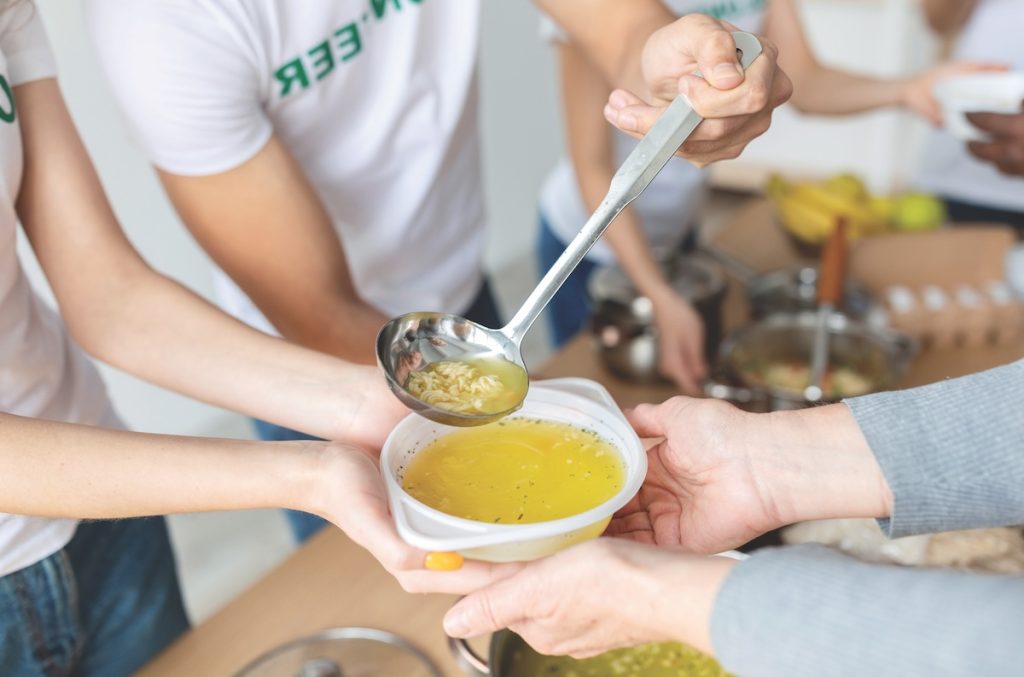
Similarly, appreciating our own power to make a difference helps us tap into our reserves of generosity. Research shows that people are more likely to give their time or money to a cause when they believe their contributions have real-world impact. That is why it is important for charities and nonprofits to highlight the specific benefits donors make possible. Studies also show that people give more when they see themselves making a difference, even a modest one, in the world.
You don’t need to solve all the world’s problems to feel this way. In fact, just focusing on one time or one person you’ve helped can spur you to more acts of generosity in the future.
And to take that one step further, we are more likely to care for someone when we recognize something specific that we have in common. These commonalities can be simple. Studies have found that people are more likely to behave generously toward others who share their taste in art, root for their favorite sports team, or have the same birthday.
Does that mean you will only be nice to Capricorns or Lakers fans? No. Who we see as being “like us” is malleable. In some research, after initially viewing another person as an outsider and a threat to their own well-being, people who were prompted to think more generally about the identities they share with that person came to feel greater kinship with them.
Finally, research by James Fowler and Nicholas Christakis has shown that when one person behaves generously, it inspires observers to do the same, spreading altruism by up to three degrees, from person to person to person to person. Other studies suggest that parents serve as crucial role models. Their own levels of generosity seem to significantly influence their children’s generosity.
Generosity, in other words, is contagious.
A Chain Reaction of Kindness
Take Kansas City businessman Larry Stewart, for example. For years he secretly handed out $100 bills to people in need, ultimately giving away more than $1.4 million of his own money. After he died, his friends carried on his tradition of anonymous giving.
Then there is Oseola McCarty, who worked for decades cleaning other people’s clothes, saving $280,000 by the time she retired at the age of 87. She then donated most of her savings to the University of Southern Mississippi. Her selflessness inspired an outpouring of contributions to the scholarship fund she created.
In Houston, when elementary school volunteer Kenny Thompson learned that some students would not be served lunch because they had outstanding debts on their lunch accounts, he contributed thousands of dollars to clear the accounts and make sure they would not go hungry. Media coverage of this “Lunch Angel” motivated people across the United States to follow suit.
If you want more incentive to give to others, then, this is crucial: Your impact will go beyond any single donation. Like Larry Stewart, Kenny Thompson, or Oseola McCarty, you could be starting a chain reaction of kindness that spans generations.