Sese Ntem: The Philanthropy of Just Saying “Yes”
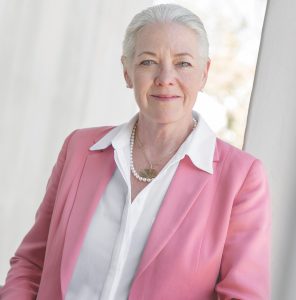
Sese Ntem was 19 years old when he arrived in Santa Barbara not long after leaving his family home in Togo, West Africa, to find a better life in America. What brought him to town after first landing in Boston was the sponsorship of a well-known Santa Barbara artist and her late husband, theoretical physicist Dave Sowle. Enchanted by his accent, positive attitude, and exuberant ambition in emigrating to the United States on his own, the power couple not only hosted Ntem, but also paid for his first year of out-of-state tuition at Santa Barbara City College.
“They changed my life completely,” Ntem says. “They gave me a place to be, and helped me assimilate to this new culture. You can’t overestimate the power of a stranger who believes in you. I’m still very connected to her and that time in my life.”
After studying English as a second language at SBCC, Ntem transferred to UCSB, where he earned a bachelor’s degree in Global and International Studies and went on to forge a career in the hospitality industry, the assisted living/senior housing field, and more recently as a residential mortgage advisor with Guzzo & Co. Among his work history are seven-year stints at the Four Seasons Biltmore in Montecito, two years as front office supervisor at the San Ysidro Ranch, and the inaugural director of operations for Mariposa at Ellwood Shores in Goleta.
Over the years, Ntem has been paying back the generosity of those who helped him early in his time in the country, serving on the boards of several organizations, donating his time and talent. Most directly, Ntem and his wife, Heather, along with their children, Noah and Madison, have hosted a stranger in town as part of the Music Academy of the West’s Compeer Program, which matches academy fellows with locals who provide friendship and support to the young musicians who are far from home, hosting and/or taking them out to dinner, showing up at their concerts, and much more.
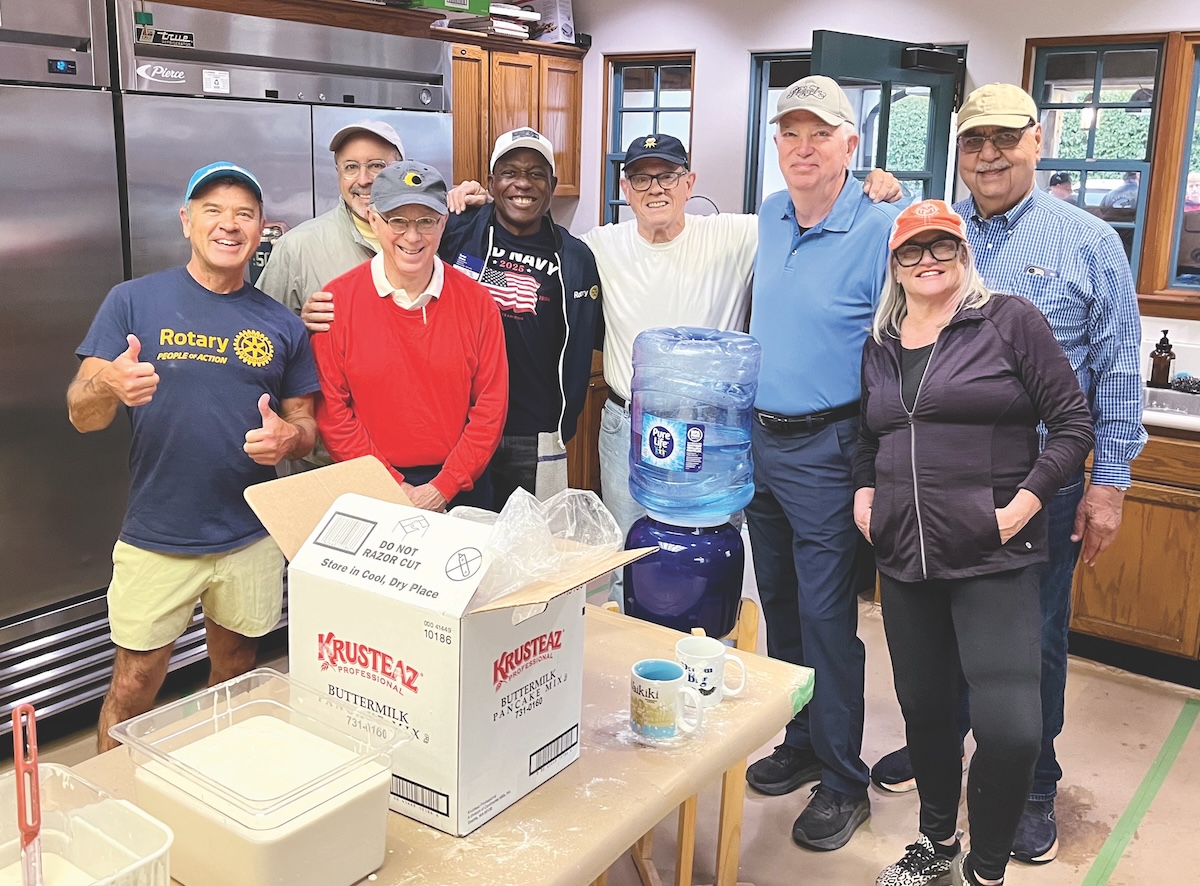
He also joined the Rotary Club of Montecito four years ago and early in 2025 was elected the service organization’s president.
Steven Libowitz:What made you want to travel halfway around the world to emigrate to America?
Sese Ntem: The United States was the place to be, the land of opportunity. I believe it still is, regardless of whatever’s happening and the uncertainties of today.
SL: How did your early life influence your approach to philanthropy?
SN: Rotary’s motto is “Service above Self.” I knew about that as a child back in Togo. My mother would open the doors of our home after church on Sundays to kids from the neighborhood to join us for the meal, even though we didn’t always have enough for ourselves. Sharing a meal created a sense of belonging and trust in the community, knowing that whatever my challenges are, if it comes to it one day, when I knock at your door, it will be open to me.
SL: How has your work history across various industries shaped who you are today and your passion for service?
SN: Once you work in hospitality, it follows you anywhere you go, the basic principles of how you treat people, whether your clients or anyone else, regardless of how they look, what they have, or what they don’t have. You treat everybody equally and give them your best, which is what they just deserve. Four Seasons had a strict training program which was that we don’t say no. Instead, we ask ourselves, how can I do this? Our answer is always yes, and we just find a solution that makes it possible. No, and turn that no into Yes. And I use that concept all the time, even in my mortgage industry today.
Working in assisted living is where I finally understood how fragile life is in seeing former CEOs, directors of businesses, needing help with basic everyday life because they have early onset dementia and needed others to take care of them. It humbles you. Those families whose loved ones were with us trusted me and the team to take care of them to keep them as healthy and happy as possible. That phenomenal job really instilled my desire to be of service and give back.
SL: You were made president of Rotary Montecito just three years after joining. What has been your focus?
SN: How do we strengthen the trust in our community? Are we sharing our knowledge that we have built for the last 40 years? Are we teaching those skills so we can get people who need help out of the hole they might be in, and put them in a place where they feel like now they understand where they’re going? Are we leaving behind a legacy of mentoring and giving back?
It’s also about listening. In our community, from Montecito to Goleta and beyond, there is the need for people at least to be heard. People think about organizations such as Rotary as being about donating money. But for me, that’s maybe second or third place. What comes first is your understanding where people are coming from, what their issues are, and then responding in a compassionate way, which is priceless. Then let’s talk about money. I think that’s true for every problem we have in our community or across the country, we throw money at it first rather than working with them. When it’s time, you come back to the table, talk to other folks, other Rotarians, and see how we help, whether it’s service or donations.
SL: How does Rotary complement, parallel, or assist nonprofits in achieving their missions?
SN: We are all a big family with cousins, nieces, aunties, and uncles. What I mean is we are trying to collaborate and work together to solve the challenges in our community. With our annual community grants, we give these local organizations some small measure of support to continue the great work they’re doing, and to have them also come to us and share what they are doing for the community and say, “Can you volunteer?” Service is a big part of what we do.
SL: Coming from Togo, you have a very unusual background. Do you think that gives you a different perspective in solving some of these social issues? How have you used your heritage and history to create cross-cultural connections?
SN: Culture is huge in terms of looking at things from different angles. I’m always considering how things were done at home and whether we can try to replicate what works here. At the end of the day, we are human beings, regardless of our differences: political, social, psychological, or anything else. If we listen to and understand each other, and welcome new ideas, we’ll build a community of deep connection, and make significant improvements in small steps of what we do every day in addressing our challenges.
I do believe that for a human being, the number one joy is to help another person.
SL: Any final thoughts about philanthropy, giving back, and service?
SN: The main goal is to be able to be open, especially in these critical moments right now. Invite everybody to be collaborative in understanding, and unite for good.