Greg Gorga: Musing On Museums
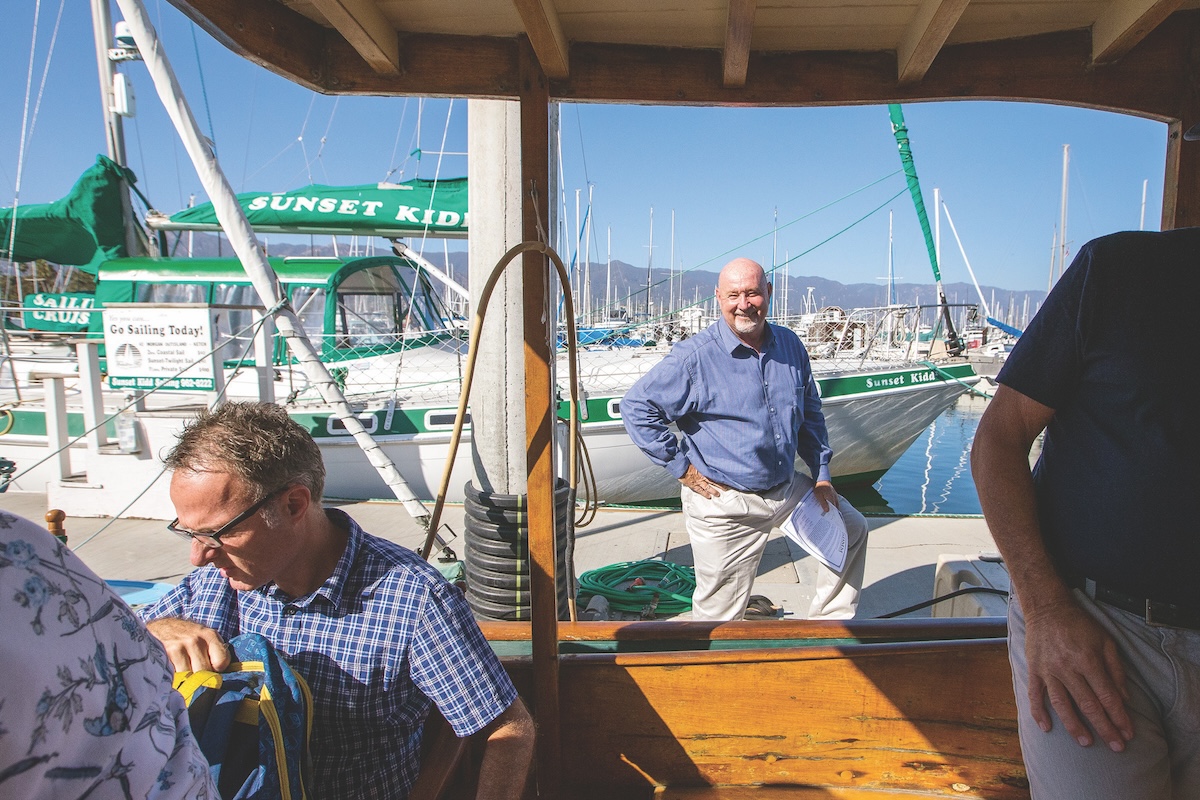
Perhaps Greg Gorga was an unlikely candidate to lead the Santa Barbara Maritime Museum when he became executive director in 2008. His previous experience included running restaurants and a catering business, but the skills he picked up in the hospitality arena served him well in good times and in hard times during his 17 years as the museum’s longest-tenured executive director since its founding in July of 2000. On the precipice of his retirement, he spoke with The Giving List about building community, the true vulnerability of museums, and the joy of seeing a kid touch the ocean for the first time.
Zachary Bernstein: You had a very unusual career lead-up for someone who eventually became executive director of a museum. What affirming advice do you have for people who maybe feel they’re unqualified to land a leadership role like yours, but also feel they could nevertheless make a big positive difference, as you have?
Greg Gorga: I think there’s two different things there. I think in anything we do, we gain skills that are transferable to other areas and we may not be aware of them. I certainly wasn’t in the museum world, but I went to a California Association of Museums conference way back 15 years ago and they were talking about how there was a trend in the museum world of hiring hospitality people because they have good customer relationship skills. They look at things from a visitor’s point of view and they’re good at solving problems. Certainly in the restaurant business, but even in museums, things don’t always go the way you plan.
It’s always about what’s the guest’s experience. Are we providing a great experience? You want people to enjoy their visit. You want your students and adults to learn something. I think I didn’t realize I had the right skills, but I’m happy that I can use what I learned from running restaurants in my work here every day.
ZB: Santa Barbara is home to a confluence of maritime activities. Can you testify to how the museum gets to be a hub for each of those spokes?
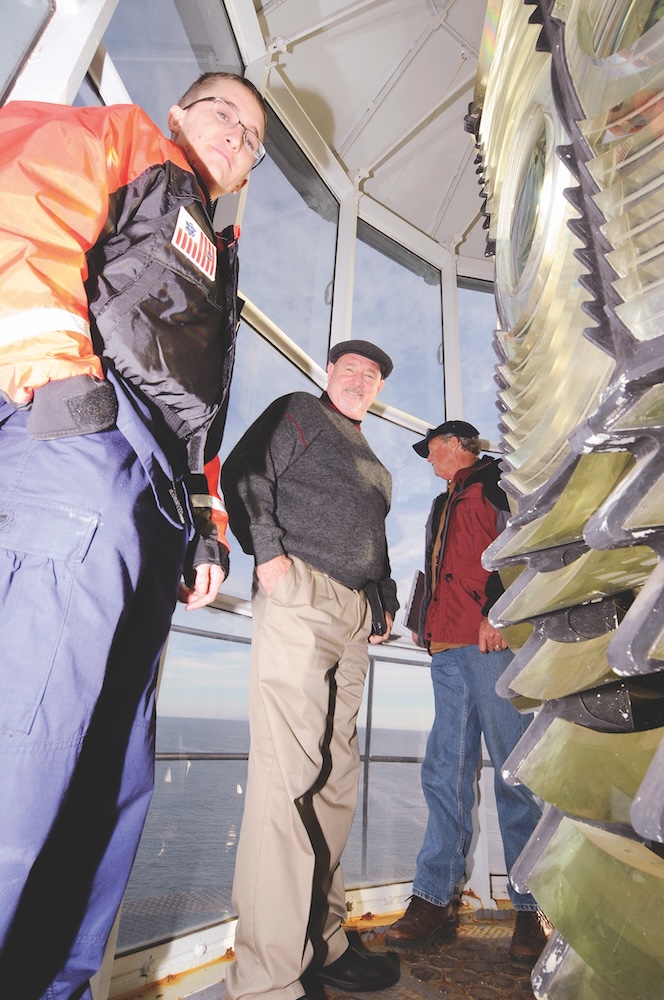
GG: What I love about the Maritime Museum is that it has such a wide history of maritime human interaction with the ocean. I know there are some museums where it’s all about ship models, or maritime art, but we have so many different connections. If you’re interested in sailing, deep water commercial diving, surfing, tattoos, military history, shipwrecks, lighthouses… They’re all right here.
We do a lot of work with other nonprofits and other organizations. We’ve been host to meetings with commercial fishermen and programs where they talk about the bluewater economy to promote minorities getting work in the ocean fishing industry. We’ve hosted a film about women surfers. We’ve hosted an expo of what to do with the oil platforms after they’re decommissioned that actually inspired the Peabody School to do their own panel discussion about it.
We’ve also hosted diving society reunions, the Santa Barbara Sailing Club, the Santa Barbara Yacht Club, the Coast Guard, and even Homeland Security has had meetings here. We like to say we’re the hub of the harbor. Anything related to the ocean, we’re the home for that.
ZB: You’ve led the museum during some hard times and there must have been some creative thinking to keep things going during these patches. But what do you think the public unfortunately has to miss out on when times are lean?
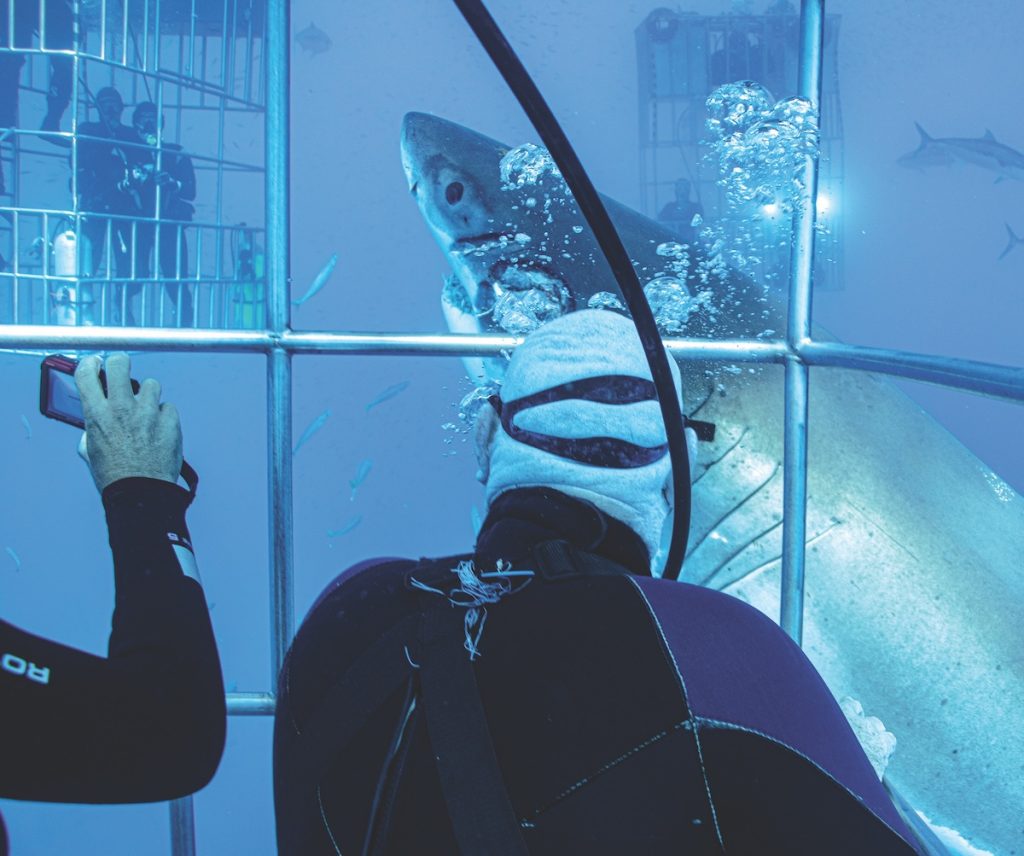
GG: When times are lean, the toughest thing is making staffing cuts because that’s the biggest part of our budget. But even worse is we lose out on some of the education opportunities. One summer we went from serving 1,400-1,500 kids in the Maritime on the Move program and the next year when we didn’t have the funding, we had to cut it down to 600 kids. That’s a lot of kids who aren’t going to experience why we have a breakwater, or what these fishing boats are doing, or how these holes in the sand mean there might be a crab underneath.
Jacques Cousteau said, “You will only protect what you love.” If we don’t show kids all the wonderful things that our oceans provide, I don’t think they’ll learn to care for them later as adults. And, of course, we need to take care of our oceans because half the oxygen we breathe every day comes from the ocean.
So, those tough times are very difficult. You have to make a lot of cutbacks. You don’t get to do all of the programming you want to do and maybe you don’t do a big exhibit you wanted to put up, but really it’s the education programming cutbacks that hurt the most.
ZB: Again, you’re wrapping up a 17-year-long tenure at the Maritime Museum. I think most people think of museums as immovable, unshakable institutions that are here to stay forever. As someone who runs a museum, do you feel that way? How vulnerable are museums, really?
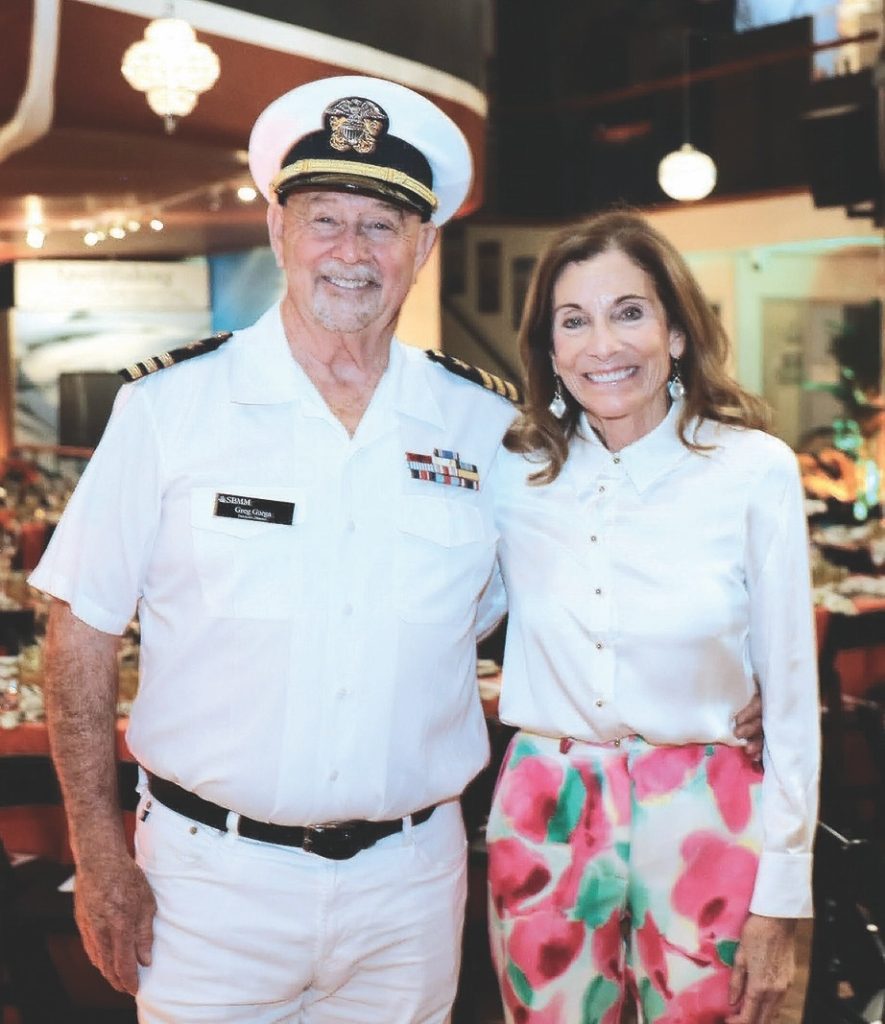
GG: Well, during COVID we lost some museums. When you struggle financially, you stagnate and you don’t get to do the things you really want to do. You can’t move forward. But I think we’ve been lucky here because we do have such a great community in Santa Barbara. We have a lot of nonprofits, but we also have a lot of very generous people. I think all of our museums – and I can’t really think of one that hasn’t done this – have continued to grow. Maybe they haven’t grown as quickly, or as much as we’d like during the lean times, but museums stick around here thanks to the generous and engaged people who live here.
Every year we’re trying something new and none of that’s possible without the support of our community, but the days when a museum was just a bunch of artifacts in a room are long gone. We’re all looking to be more hands-on, more interactive, more engaging. We compete today with cell phones, streaming, computers, so you have to make it interesting and interactive for kids and adults – even the adults are hooked to their phones. You have to be engaging to people to thrive.
I think we do a pretty darn good job here in Santa Barbara with engaging programming that keeps people interested and expands their horizons. That’s really what museums are for: to honor the past and improve the future.
ZB: You said that continuing a monthly lecture series at the museum was one of the smartest moves that you made because it gave members a reason to visit the museum on a regular basis. It sounds not unlike people going to church every Sunday. How do you see museums as places that facilitate community building?
GG: If you’re a museum, or a zoo, or Lotusland, you’ve got to keep changing and you’ve got to keep your members and your community involved. You don’t want a static program where you go once and don’t need to go back another time. Changing exhibits is one way. Lotusland has different seasons, so they’re constantly changing – that’s a nice advantage they have. But you want your community coming back and thinking about you on a regular basis.
And you can do that. People find our lecture series very interesting. They learn. I mean, we had 150 people here last night. We have cocktail parties, too, but we also include some education in those cocktail parties. You want to have events on a regular basis to be a hub for the community. It’s an opportunity to bring in new people who aren’t familiar with the museum. Hopefully they become engaged and become regulars themselves, but we also want to give opportunities to our existing members and the general public to learn more about our institutions.
ZB: Does the pursuit of attracting donors also add to community building?
GG: One way of attracting donors is helping one another. I reach out to the heads of the Zoo and the
Museum of Natural History and the Botanic Garden all the time. We collaborate all the time. For me, it’s just bringing new people in and showing them what we do. My favorite thing to do is host a tour. I had one yesterday with a member who brought some friends – first-timers who weren’t aware of all the different education programs, exhibits, and events we do. If we show them what we’re all about and they want to become a member or donor, that’s great. You never know what just reaching out will do for you.
ZB: Did you ever get that one amazing phone call from someone who wanted to give?
GG: Yes. There was one volunteer working at our front desk. His son called and said, “Hey, Greg, my dad wants to make a gift to you before he passes away, and so you’re going to get $200,000 worth of Apple stock tomorrow.” I’m so grateful for those surprise gifts because sometimes it just allows us to just keep the doors open, and sometimes it allows you to grow or plan for the future. It’s important to put some money aside for less glamorous capital projects like replacing the HVAC system, which can rust quickly from the salty air. Nobody wants to give money for an HVAC system when they could give it towards putting kids on a tall ship, but we need it just the same.
ZB:If you hadn’t improbably become the Maritime Museum’s longest-tenured executive director, what do you fear you would have missed out on?
GG: I used to run restaurants. I got to meet some nice people and I did some fun things, but I didn’t feel like I did anything good. So when I hear people say, “Wow, I had no idea Santa Barbara’s history was so deep,” or “Wow, these exhibits are great,” or I get to see a kid touch the ocean for the first time, or I read a book that a 15-year-old girl wrote about an English sea captain in the time of Lord Nelson because she spent the night on a tall ship and got inspired to learn more about tall ships and that naval history here, or I hear a teacher tell me that their kids participate in class more after they came to one of our education programs. All of that makes me feel much better about my tenure here. This has been the most enriching life reward for me, to know that we’ve done some good in the community.