Building a Foundation for Every Child’s Success
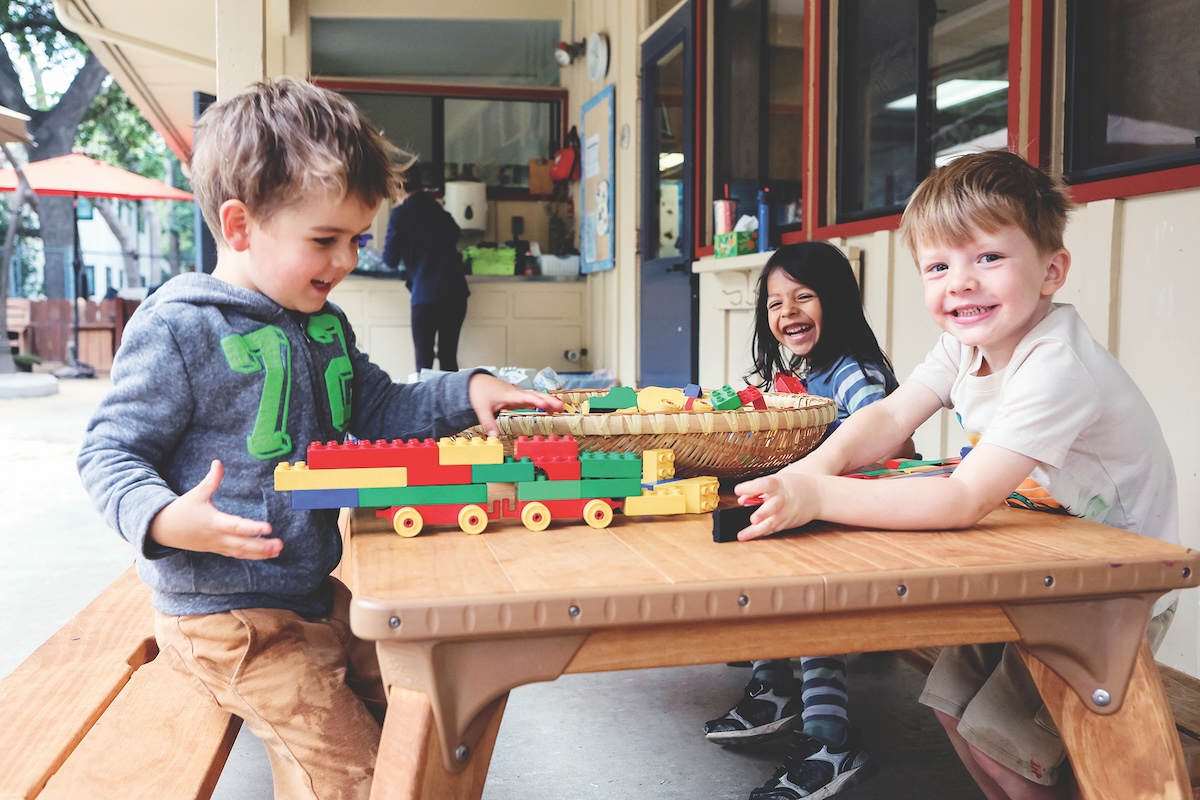
The first five years of a child’s life lay the foundation for how they’ll do in school and beyond – yet too many children in Santa Barbara County begin school already behind.
First 5 Santa Barbara County (First 5 SBC) has set an ambitious course: by 2030, 70% of children entering Kindergarten will be school-ready. Established through Proposition 10 in 1999 and now celebrating 25 years of service, First 5 SBC is advancing a strategic plan that tackles the core drivers of readiness:
Improved Family Support: There are comprehensive systems of family support that advance optimal conditions for children prenatal through five and their families.
Improved Child Health: Children have access to quality systems that promote their optimal healthy development.
Improved Child Development: Children have access to affordable, quality early care and education opportunities prior to Kindergarten.
Improved Systems of Care: There are strong systems of support towards optimal development of children prenatal through age five.
At the heart of this work, First 5 SBC serves as a convener, connector, and collaborator – aligning cross-sector agencies and leaders around a shared goal. By bridging systems, amplifying community wisdom, and fostering collaboration, First 5 SBC is helping to build a seamless, countywide effort that gives every child the opportunity to start school healthy, supported, and prepared to succeed.
The following featured partners reflect that shared vision. In a time of limited and competitive funding, they demonstrate how collective action can stretch resources, spark innovation, and drive measurable progress toward ensuring school readiness for Santa Barbara County’s youngest children.
Improved Family Support
Community Support for Thriving Families
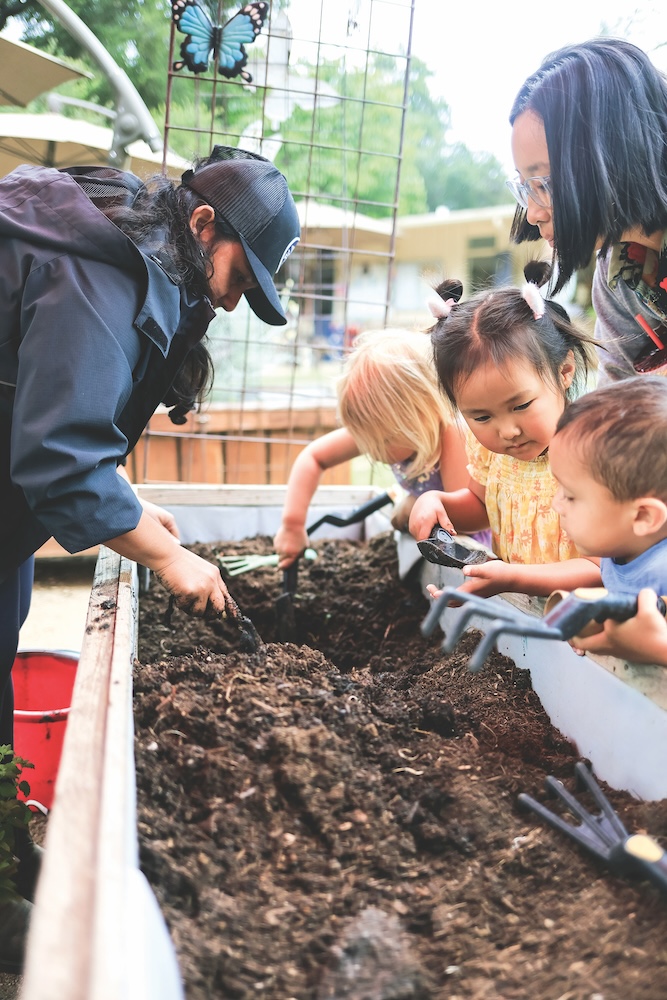
Since 2008, the Network of Family Resource Centers of Santa Barbara County has operated as a collaborative under the KIDS Network umbrella, serving over 10,000 families annually through strategically located community hubs across the county. Administered by the Santa Barbara County Department of Social Services and funded by First 5 Santa Barbara County, this network represents an evolution of over two decades of intentional family-strengthening work.
Comprehensive and Evidence-Based Services
Family Resource Centers function as one-stop community hubs where families access essential services including CalFresh and MediCal enrollment, food and diaper banks, utility assistance, parenting classes, healthy relationship education, child developmental screenings, and language translation services. Staff build lasting relationships with families, conducting strength-based assessments and connecting them to resources that address both immediate needs and long-term goals. The network operates using the nationally-recognized Protective Factors Framework, incorporating trauma-informed practices through ACEs Aware and Resilient Santa Barbara County initiatives. These evidence-based approaches focus on prevention and early intervention, building family resilience before crises develop.
Professional Development and Quality Standards
The network coordinates comprehensive training programs covering Mental Health First Aid, mandated reporting, human trafficking awareness, results-based accountability, food security, and child development. Staff training aligns with nationally-adopted Standards of Quality for Family Strengthening and Support, delivered through partnership with CalTrin and accessible via the network’s learning management system.
Systems Change and Community Impact
Beyond direct services, the network strives to eliminate service gaps and improves coordination among agencies while advocating for sustainable funding at county, state, and federal levels through partnership with the California Family Resource Association. This collaborative approach transforms communities by fostering civic engagement, addressing root causes rather than symptoms, and building long-term family stability and community resilience.
Improved Child Health & Development
Children and Nature
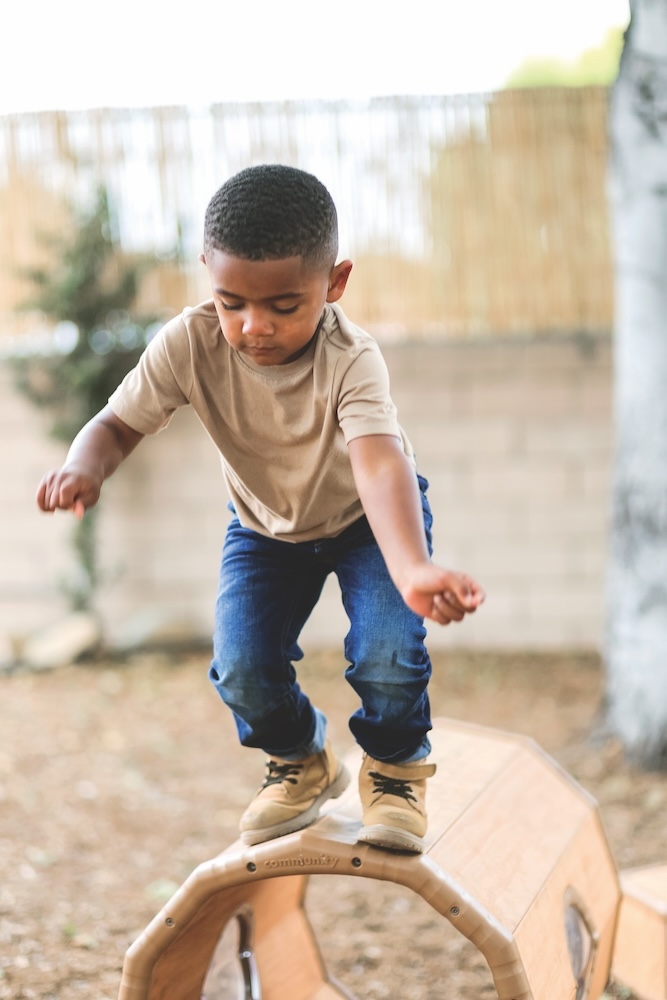
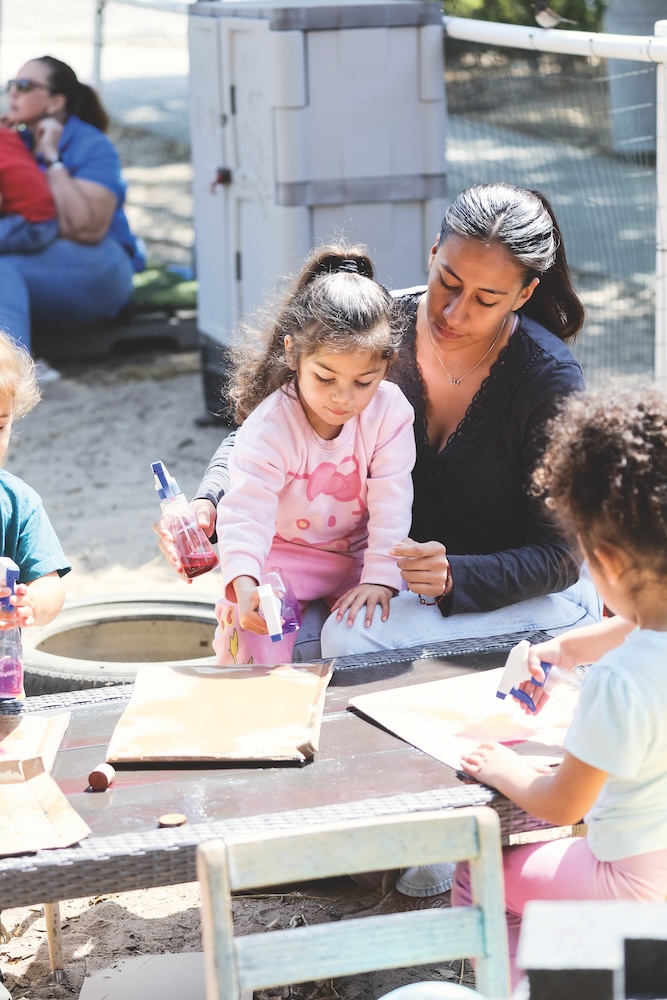
Fostering a sense of wonder is a cornerstone of child health and development. Wonder sparks curiosity, imagination, and innovation, laying the foundation for critical thinking and lifelong learning. Experts increasingly recognize that in today’s world, where human impact on the planet is unprecedented, access to nature has become a “child’s right” issue. Educators will confirm that wonder is a powerful motivator for learning and nurtures wisdom that children will carry through life. The simplest and most economical way to cultivate that wonder is to ensure access to nature, gardening, and outdoor learning.
Santa Barbara County Challenges
Santa Barbara County boasts stunning landscapes and abundant natural spaces to explore, yet many children face barriers to accessing them. Geographic isolation, limited transportation, and neighborhood constraints mean that thousands of young residents spend much of their early years within a ten-mile radius of home. For these children, nearby parks, trails, and open spaces become essential gateways to discovering and exploring the wider world.
Improved Child Health Outcomes
Movement and physical control are critical to early learning. As Hans Furth and Harry Wachs note in Thinking Goes to School: Piaget’s Theory in Practice, children who lack basic control over movements may struggle with tasks such as scanning a page, switching focus between board and paper, holding a pencil, or engaging in play. This fundamental control over movements is established in the first five years of a child’s life. Beyond movement, interactions with nature support feelings of calmness and tranquility allowing children to truly be “in the moment.” Studies show that as little as four minutes in a garden will start to reduce stress, improve mood, and steady vital signs (Easton, 2003), emphasizing the profound health benefits of outdoor experiences for young children.
Improved Child Development Outcomes
Research shows that children demonstrate richer vocabularies and stronger communication skills when allowed to explore in nature (Hackett et al., 2021). When guided by a skilled adult, children will respond to direct questions about what they observe, share ideas and comments, and make predictions. Exposure to nature promotes enhanced conversation, resulting in a child’s eagerness to engage and respond to more in-depth questions (Rymanowicz et al., 2020). For later writing and reading mastery, the quantity and complexity of children’s vocabulary is one of the strongest predictors of reading comprehension (Smith, 1997).
LEAs as Essential Partners and Catalysts for Equity
Schools continue to embody parents’ aspirations for their children’s improved futures through quality education. Local Education Agencies (LEAs, or schools) have emerged as trusted anchor partnerships uniquely positioned to address equity and access challenges facing students. Linking early childhood (ages 0-5) initiatives with the TK-12 system allows communities to support critical brain development, building the foundations for reading and math proficiency while strengthening social-emotional readiness. With most families choosing public education, schools are crucial community hubs. By creating natural learning environments that honor a child’s right to green space and nurture both physical and mental health, schools can provide spaces for exploration and wonder while addressing equity gaps for families with fewer resources.
The Outdoor Classroom Solution
Today’s children are tomorrow’s farmers, teachers, therapists, musicians, scientists, ecologists, and engineers. Nature exploration and outdoor classrooms foster critical skills for later in life. The primary goal of outdoor classroom education is to connect children with nature on a daily basis so that they can participate in hands-on, minful activities that support developmental skill building. Mindful-oriented environmental education during the earliest years of development requires the facilitation of meaningful, intentional experiences facilitated by thoughtful, sustainability-oriented, and environmentally conscious adults. This approach to learning is not an add on to curricula, but a paradigm shift on how we honor the unique learning needs of young children by offering hands-on opportunities to develop the curiosity, wonder, and awe needed for them to achieve their future goals.
How You Can Help
First 5 Santa Barbara County has taken the research and proven evidence-based strategy of the outdoor classroom concept and begun working with multiple school districts across the county to develop model outdoor classroom school sites that can be replicated. Over the past five years, First 5 SBC has invested $135,000 in conceptual plans, aiming for at least one model outdoor classroom in each of the county’s 18 public elementary districts. Eight districts are already participating, with Oak Valley Elementary in Buellton and Harding University Partnership School in Santa Barbara completed. First 5 SBC invites the community to join this transformative effort.
Improved Systems of Care
Transforming Childcare Access
The Brighter Futures Childcare Fund was born from the urgent childcare crisis of COVID-19, when widespread closures left essential workers and first responders struggling to balance critical roles with caring for their children. United Way of Santa Barbara County, in partnership with the Natalie Orfalea Foundation, Audacious Foundation, and Lou Buglioli, launched the Emergency Child Care Initiative (ECCI) to bridge this gap. The initiative’s success in uniting private employers, childcare experts, and funders not only expanded access to quality care but also inspired long-term investment: in 2023, the County of Santa Barbara Board of Supervisors allocated $2 million in ARPA funding to formalize and grow this work, creating the Brighter Futures Childcare Fund and Coalition. The fund operates through two strategic components addressing different aspects of the childcare crisis:
Childcare Scholarship Program
Working with licensed providers, employers, and local agencies, United Way administers scholarships targeting families who earn too much to qualify for federal assistance but struggle with childcare costs. The program aims to reduce family childcare expenses from 37% to 15% of household income, enabling parents to maintain stable employment while building financial resilience. This targeted approach fills a critical gap for working families caught between eligibility thresholds.
Employer-Sponsored Childcare Initiative
The fund provides Start-Up Grants to employers creating or expanding sponsored childcare spaces, addressing the fundamental shortage of available slots county-wide. These grants cover initial infrastructure costs, allowing businesses to leverage existing facilities and serve their workforce more effectively. Additionally, Technical Assistance grants support employers already providing childcare with specialized training and operational guidance to enhance program quality and sustainability.
Building Resilient Communities
This comprehensive approach strengthens the childcare ecosystem while supporting workforce stability and family financial security. By addressing affordability and availability, the Brighter Futures Childcare Fund creates lasting infrastructure that benefits children’s developmental outcomes and employers recruitment and retention. As federal ARPA funding concludes, United Way continues advancing sector sustainability through this proven model that transforms family stability throughout Santa Barbara County.
First 5 – Santa Barbara County
Donate now!
first5santabarbaracounty.org
Deputy Director: Michelle Robertson
(805) 335-4990
Mission
First 5 Santa Barbara County exists to energize, activate, and mobilize the communities of Santa Barbara County to be key change agents towards improving the conditions and outcomes for children prenatal through age five.
Begin to Build a Relationship
We know you care about where your money goes and how it is used. Connect with this organization’s leadership in order to begin to build this important relationship. Your email will be sent directly to this organization’s director of development and/or Executive Director.
Hope School’s nature exploration area will ensure that every child, regardless of circumstance, has access to the wonder and lasting benefits of learning in nature. An investment in this space is an investment in generations of children who will learn, grow, and thrive here.
Be Part of the Solution
- Be Part of the Solution: Together, we can help young children and families in Santa Barbara County thrive.
- Help Build Outdoor Classrooms:
- Hope Elementary School District, Hope School: hsdef.org/current-campaign
- Santa Barbara Unified School District, McKinley School: sbefoundation.org/community-programs
- Carpinteria Unified School District, Aliso School: carpedfoundation.org/cef/donate
- Support Strong Families and Communities through the Network of Family Resource Centers:
- Provide Childcare Scholarships through the United Way’s Brighter Futures Childcare Fund:
- Help Build Outdoor Classrooms: