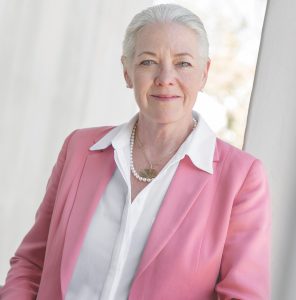
Victoria Strong: A Radically Inclusive Approach to Life
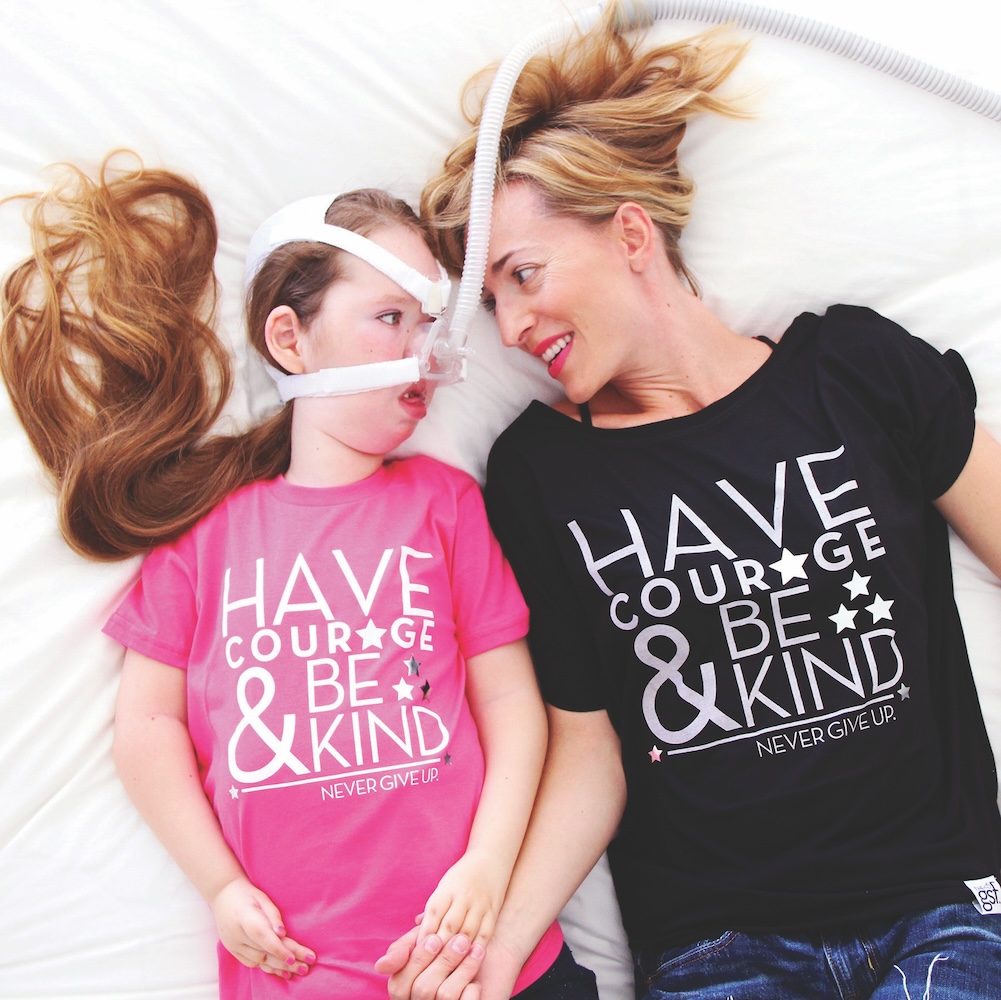
Victoria Strong is a disability advocate, nonprofit leader, and mother of three. Her life took an unexpected turn when her baby girl, Gwendolyn, was diagnosed with Spinal Muscular Atrophy (SMA), a genetic condition that causes muscle weakness. Similar to the more well-known ALS, SMA can affect a child’s ability to crawl, walk, sit up, and control head movements. Severe SMA, like Gwendolyn’s diagnosis, damages the muscles used for breathing and swallowing.
Victoria became an immediate advocate when she realized how little was being done to combat SMA. She founded the Gwendolyn Strong Foundation to fund research, influence policy, and support families with disabilities. While her strong, brave, remarkable daughter passed away from SMA 10 years ago, her memory and influence live on. Victoria is currently bringing Gwendolyn’s Playground to life as part of the renovation of the 100-year-old Dwight Murphy Field. Gwendolyn’s Playground will be Santa Barbara’s first all-abilities playground – a radically inclusive destination for all. Victoria continues to champion disability rights, inclusive design, and systemic equity.
Here is our conversation with her.
The Giving List: You have a deeply personal reason behind your philanthropy. Rather than volunteering your time or simply donating money, you focused on galvanizing change. Why did you take that road?
Victoria Strong: When Gwendolyn was diagnosed, there were no treatments and no clinical trials [for SMA]. That is where our philanthropy began. From her hospital bed, my husband and I started advocating. Research was underway, but there was a real need for increased funding, awareness about carrier screening, and newborn screening needed to be added to recommendations so that babies could begin receiving interventions right away.
A big reason why there was so little progress was because of a lack of research funding. SMA is a rare disease, and because most people had never heard of it, funding was very limited. We thought we could help with that.
Fundraising for the playground began in much the same grassroots way as our research fundraising began. Gwendolyn was profoundly disabled by the time she was six months old when she was diagnosed. After spending a month in the hospital, where she received a feeding tube, a breathing machine, and a machine to help her cough, she had to be taken home from the hospital in an ambulance because she had to be flat at all times. There were no flat car seats, so legally the hospital could not release her to us. We came home realizing that so many well-intentioned protocols in society simply did not fit our very unique little girl. We were the “star” peg in the round hole. Nothing was easy.
The news was dire – literally, we were told there was “nothing” we could do. But, we needed to channel our grief into positive change. We started by connecting with specialists across the country. From her hospital bed, we learned that there was actually quite a lot of research being done. Unlike many of our friends in the rare disease community, we had hope. Their diseases often had no research at all, while ours did. Scientists knew the gene that caused SMA and they knew why, they just needed to figure out how to correct it. That was something we could help with. If money was the obstacle, that felt like a problem we could be part of solving.
We began by sharing our perspective and rallying support from other families who also felt hopeless. Because Gwendolyn’s care was 24/7, we couldn’t host gala-style fundraisers, so we leaned into our strengths: storytelling and technology. As a younger generation in the neuromuscular disease space, we embraced digital tools – just three people in a house, yet we reached thousands. We were the first in this field to use Facebook, even before the Muscular Dystrophy Association, and we witnessed the power of connection: giving people a platform to share their stories, build community, and inspire action.
Our work is unusual because the research we funded quickly led to real breakthroughs. We learned to be nimble and to break down funding needs into tangible goals, backing research that others would not because it was risky and new. But what did we have to lose? One of those bets led to a now FDA-approved gene therapy. Babies treated within the first weeks of life now show little to no signs of SMA – walking, talking, eating independently. It is nothing short of revolutionary and has since been applied to many other diseases. In just seven years, we watched a once-terminal diagnosis become fully treatable.
TGL: What obstacles did you face in your advocacy for better treatment for SMA?
VS: The biggest obstacle was systems and people within those systems saying, “We do not do it that way.” That answer did not work for a rare disease. For example, clinical trials were structured around a single central site where patients had to travel. Children with SMA were unable to fly on airplanes, making clinical trials inaccessible to them. We helped pass legislation to change protocols like that. We also worked to change how the NIH funded rare diseases. Anytime we came up against “this is how it has always been done,” we asked, “but why?”
TGL: Gwendolyn died at age seven in 2015, just before starting third grade. That was when you turned your focus to a playground. How did you put together the unusual coalition of city, federal, and private support?
VS: From the moment she died, I knew this was the direction I wanted to take because our research goals had been accomplished, and I knew there is still a very real lack of equity for the disabled. I started by calling the City of Santa Barbara. They were receptive and excited. This led to educating the public about the need. Most people are unaware that the average playground is not accessible, let alone inclusive.
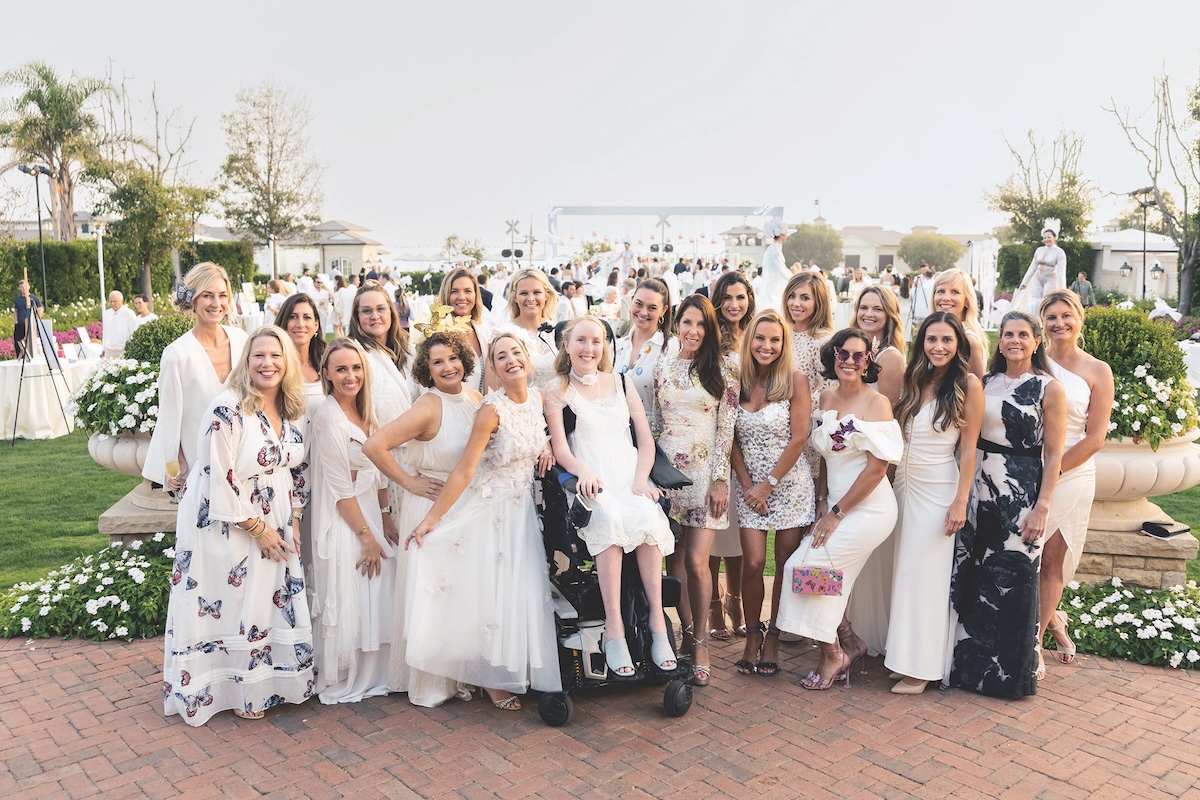
I also started talking to my friends, other moms whose children were Gwendolyn’s peers. They had witnessed firsthand how powerful inclusion was, not only for Gwendolyn but for their own families. Their children had grown up seeing difference as normal. As fundraising ramped up, I invited a second group of moms I knew through my younger daughter’s preschool – go-getters already committed to raising inclusive-minded children. One of them, Karie Ide, brought her background as a sales and event manager at the Four Seasons New York and quickly became instrumental in chairing all event planning… Cristina Bentley of Bella Vista Designs soon joined our board, bringing deep local connections and creative event expertise. Our first Butterfly Ball raised nearly $1 million in one night!
Each year of building Gwendolyn’s Playground, I intentionally added new women to the board who offered strengths I didn’t have… They contributed critical skills in marketing, communications, and donor strategy – and many also brought their experience with disability, helping to shape a truly inclusive vision.
Throughout the process, our children set up lemonade stands, our various schools hosted penny drives, and our entire families joined in to find funding – reaching far beyond my immediate network. It was through board members that the Manitou Fund enthusiastically contributed $2 million and the Mildred E. & Harvey S. Mudd Foundation gifted $500,000. It was a grassroots and all-hands-on-deck effort at every level. And I think the board members enjoyed stepping into roles that used parts of themselves beyond parenting. They took this seriously and stepped into incredible advocacy, and together we created something powerful.
At the city level, I partnered with Parks and Recreation Director Jill Zachary, who deserves enormous credit for bringing this to a successful conclusion. After years of tackling an incurable disease, I thought building a playground seemed like a relatively easy task. Jill grounded me, explaining the many steps involved: state regulations, environmental requirements, and navigating the local approval processes. She skillfully led that complex work, including the pursuit of federal grants. My role was to make sure people understood the heart and vision. This was not just one accessible swing – it was about creating something entirely new.
Our collaboration became especially critical in the final stretch, when we faced an unexpected funding gap just as we were preparing to break ground. We mobilized everything – every relationship, every pitch, every ounce of determination we had built over nine years. And through that effort, Ty Warner stepped in with a transformational $5 million gift to close the gap and make the vision a reality.
TGL: How is Gwendolyn’s Playground different from other accessible parks?
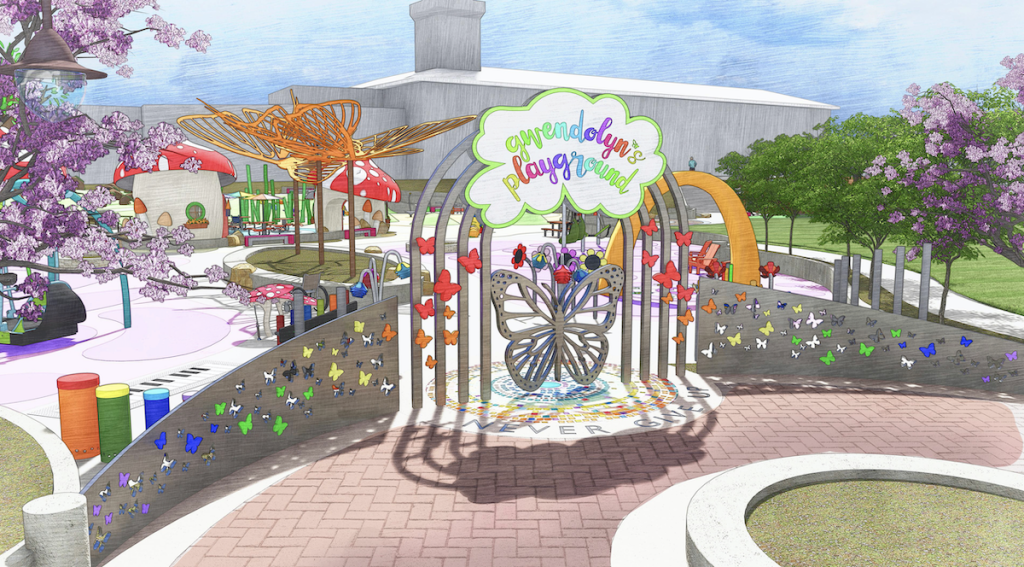
VS: Most playground updates only address construction standards or environmental codes. Rarely do they consider improvements to social responsibility, equity, or inclusion. Our playground challenges every idea of what a playground can be and should be. Our landscape architect team at RRM Design Group understood my vision and brought it to life with whimsy and joy, far beyond utilitarian function. It is a playground, after all, and shouldn’t we spark wonder?
Accessibility typically conjures the idea of ramps. But Gwendolyn’s Playground considers all the ways we move through and experience a space: sensory needs, visual differences, adults with disabilities, grandparents with walkers, teenage siblings, and caregivers of all ages. For example, swings designed for a variety of needs – large enough for adults, supportive for lying down, or big enough to enjoy in a group – and smooth, stable surfacing that supports safe walking for those with unsteady footing or rolling with mobility devices. Most importantly, this is not just an accessible playground, it is an inclusive playground. Gwendolyn’s classmates adapted their games so she could be a peer, not a sidelined child. That experience shaped this design.
TGL: What is the current status of the playground?
VS: We broke ground in June 2025, after nine years of work. We even had golden shovels. Much of the expense is the behind-the-scenes work, like plumbing and modern infrastructure for a park that is 100 years old. Being near the ocean also requires environmental upgrades and stormwater management. Currently, you see a lot of dirt, but our construction partners, Ohno Construction, are making thoughtful and timely progress. We expect to open in Summer 2027.
TGL: Has your work inspired other communities to create similar playgrounds?
VS: Yes, and that has been incredible to witness. Because of our earlier advocacy in research, we were connected to families across the country. Early on I shared on social media why inclusive playgrounds matter. Before I ever asked for donations, I educated.
Even disabled families, exhausted from having to fight for everything, often had a mindset of being grateful for scraps. I rejected that. One swing behind a chain is not enough. These are public parks, paid for with taxpayer dollars, and they should serve the whole community.
Families began to reach out. One SMA mom in Massachusetts started with no support, and now her community has three inclusive playgrounds… I know of at least five playgrounds that started because of conversations we had… My hope has always been that this becomes the new standard everywhere.
TGL: There was some talk that your foundation might sunset once the playground was built. What are your future philanthropic plans?
VS: We will not sunset completely – building the space is just the beginning. True inclusion also requires education and programming. Children know how to include naturally, but parents often hesitate. They worry about saying the wrong thing, so they freeze. They simply didn’t grow up with inclusion, and that’s where programs can help – by showing both parents and children how easy and meaningful inclusion can be. And that will foster a generational shift in understanding. Gwendolyn’s peers just graduated from high school, and they have told me that their relationship with her has led to pursuing careers in medicine, therapy, or other helping professions. Others carry the lessons of kindness and equity into their daily lives. That ripple effect will continue – and we want to help guide it.
To sustain that vision, we’re also building a $2 million endowment fund to ensure Gwendolyn’s Playground remains inclusive, vibrant, and mission-driven for generations to come.
TGL: What advice would you give aspiring philanthropists who want to create change?
VS: One, look around first. See what is already being done. You don’t always need to start something new. If the work exists, join forces. Two, don’t be afraid to ask for help. Gwendolyn’s Playground only happened because of collaboration. The City, Parks and Rec, our board, and countless supporters brought resources and skills I did not have. Three, roll up your sleeves. If you want something to happen, you must be willing to put in the hard work and never give up.