Belém and Beyond: A Lawyer’s Perspective on What Comes Next after COP30
Belém, often called the “Gateway to the Amazon,” lies just a few dozen kilometers from dense rainforest, reinforcing its symbolic and practical importance for climate and biodiversity discussions. Situated at the edge of the Amazon Basin, the city’s streets are lined with mango trees, paying homage to its tropical rainforest biome renowned for its immense biodiversity. It is surrounded by lush Amazonian forest, with towering canopy trees such as Brazil nut and rubber trees, and a dense understory of palms and epiphytes. This living tapestry shelters iconic wildlife including jaguars, sloths, countless bird species, and an impressive variety of insects and amphibians.
As the capital of Pará state, with nearly 1.4 million residents, Belém thrives as a major river-port city, connecting rural Amazonian producers to national and international markets. The region’s economy relies heavily on tropical agriculture such as cocoa, açaí berries, bananas, and more, where plantations and small-scale farms complement traditional practices. It’s popular to speak of Amazonia as the ‘lungs of the Earth’, but those majestic river tributaries that hold and nourish biodiversity are also arteries of industrial global logistics. From the shore I saw enormous ocean bound vessels docking and undocking, their hulls filled to the brim with wealth and resources at a scale of extraction that was astonishing.
Belém was the perfect host city for COP30. The geographic and ecological context of the city underpins its thriving cultural and social life that depends on abundant biodiversity and local efforts that safeguard and grow the sustainable bioeconomy. When international diplomats, policy-makers, and advocates arrived in business suits, braving 90-degree heat with briefcases in hand, the scene stood in stark contrast to the visible patterns of communal labor and civic solidarity rooted in belonging to the region. It was a clash of worlds. This dichotomy was even more apparent in the spaces where the events of COP30 took place: The official COP and the People’s COP.
The official COP was held in the Parque da Cidade, focused on the Blue Zone hosting formal negotiations and country pavilions. The Blue Zone was marked by stalled negotiations and corporate capture of discussions about fossil fuels and agribusiness. At one-point, Indigenous protesters, many from the Munduruku people, marked with red paint and feathered headdresses, blocked the entrance to the restricted negotiation area, demanding that frontline voices shape the climate agenda.
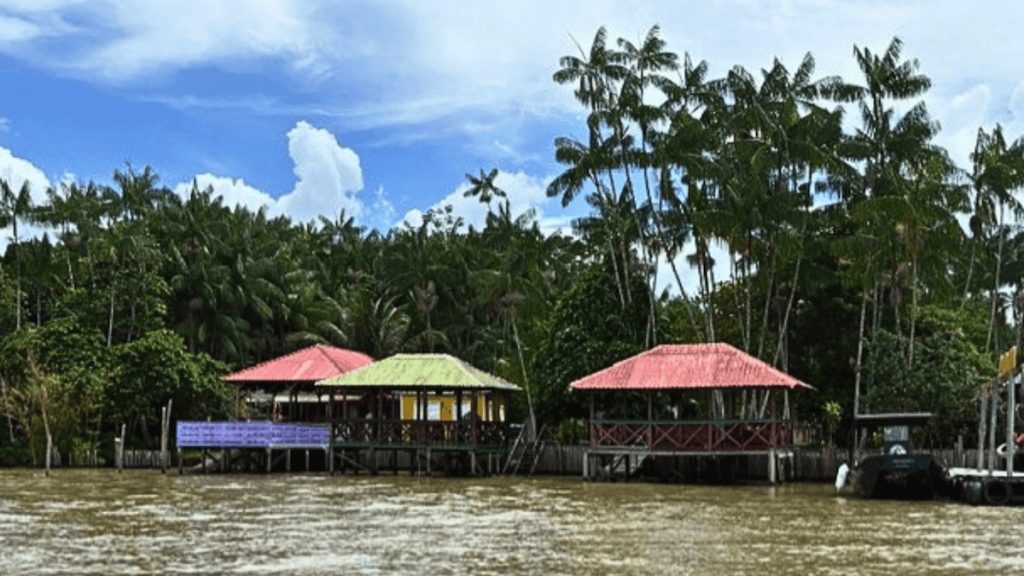
The People’s COP had a different story, offering those who were willing to meet outside the confines of the Blue Zone the opportunity to make connections and have deep discussions about what a just transition looks like. Brazilian civil society lead the way with inputs from other orgs throughout the Global South. Civil society organizations hosted hubs of learning and sharing in venues all throughout the city. In these alternative and informal spaces, in homes and cafés, at cultural events and exhibitions, academic panels, and interdisciplinary dialogues, an energy of protest, celebration, and defiance spread outward, shaping conversations and decisions at the summit.
ClientEarth Americas hosted a roundtable on foods systems transformation in one of these community spaces and the participants were eagerly discussing next steps and opportunities to work together. On the ground, in a robust mobilization, local Brazilian communities and organizations led the chorus for a just transition that centers community sovereignty, promotes de-colonized power relations, demands accountability, reparations, and repair for climate harm happening now.
At the mouth of the Amazon, held and grounded by nature’s biodiversity, among the rich tapestry of human culture in attendance, thousands of miles from my country, I felt quite at home. I was deeply moved by the diversity of the human family represented, especially Indigenous communities, people of African descent, and island nations from around the world, those on the frontlines of the climate justice struggle who made their voices heard.
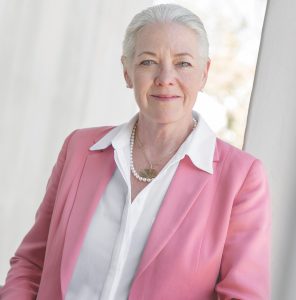
This was my second trip to Brazil in a year, as ClientEarth deepens relationships and explores ways to hold multinational agribusiness companies accountable for the harms within their supply chains. In 2026, we’ll share more about this work, but for now I can say I hope to return soon. It was powerful to introduce myself as Kimberly Blake, attorney with ClientEarth Americas, law across borders, for one planet, for all of us.
Have a wonderful season of gathering and light and a happy new year full of promise and progress.
In solidarity,
Kimberly Blake
Attorney, ClientEarth Americas
ClientEarth
Donate now!www.clientearth.us
(310) 361-7006
Director of Major Gifts: Allie Butkiewicz
Mission
ClientEarth is an environmental action group with a unique approach: they hold corporations directly accountable in the court of law and the court of public opinion.
Begin to Build a Relationship
We know you care about where your money goes and how it is used. Connect with this organization’s leadership in order to begin to build this important relationship. Your email will be sent directly to this organization’s director of development and/or Executive Director.
I knew I wanted to hitch my wagon to the most impactful environmental organization I could find – and ClientEarth’s unique efforts made me feel confident that they were that group. I like that they are keeping corporations honest, playing by the rules they set out for themselves.
Funding the Cases That Set the Precedent
Your support can fund the legal precedents that hold corporations accountable. A $100,000 gift supports the scoping of a new case. A $50,000 gift supports a fellowship for a law school graduate, providing a learning experience for the next generation of lawyers protecting the planet. $25,000 funds research exposing corporate schemes. Even $5,000 helps build the war chest needed to take on polluters. When ClientEarth wins, they create pathways for hundreds of similar cases – transforming single victories into systemic change that makes environmental destruction expensive.
Board of Directors
Alexander Reid
Catalina Martinez Coral
Catherine McKenna
Clate Korsant
Hassan Elmasry
Hunter McIntosh
Joel Reynolds
Jonathan Kaufelt
Nik Mittal
Phil Harvey
Friends of ClientEarth:
Barbara Williams
David Johnson
Judi Weisbart
John Quigley
Patagonia
Schmidt
Family Foundation
Scottie Thompson