Building Outdoor Classrooms: Where Learning Takes Root
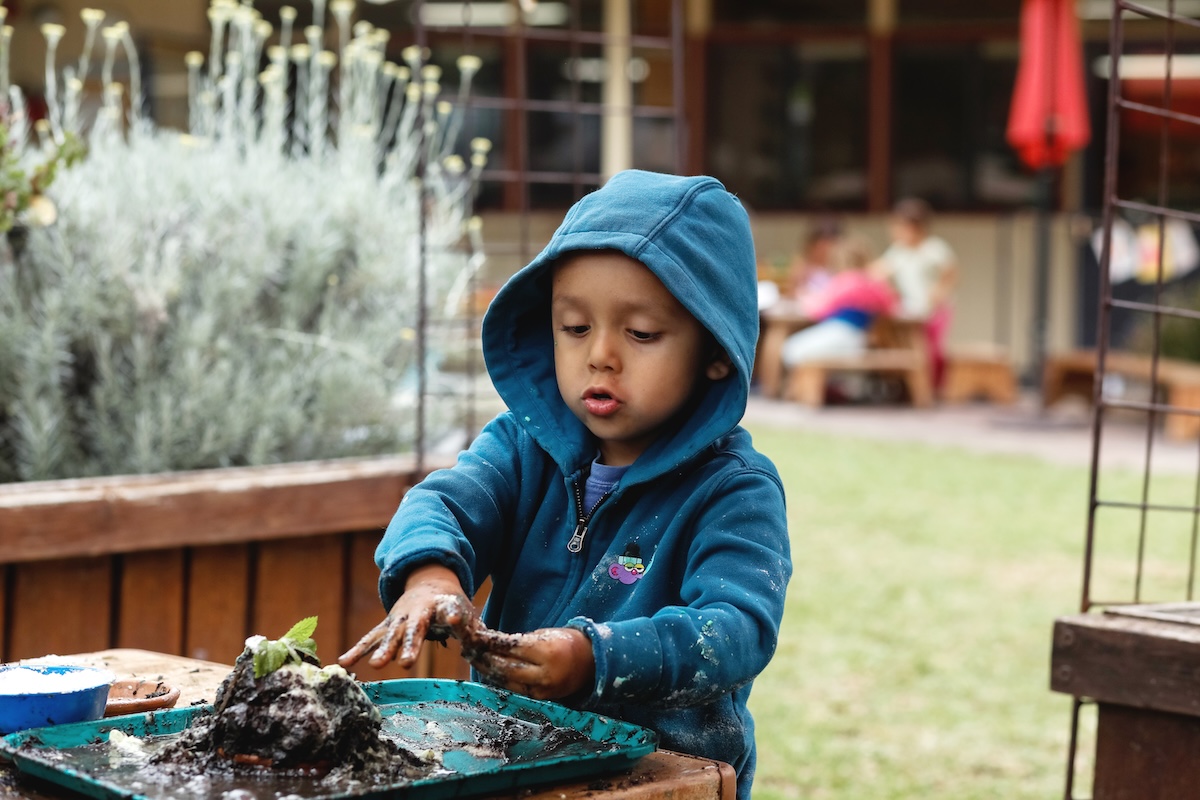
Quiz time! What do cutting up leaves, hopping from rock to rock, and picking berries have in common? They’re all ways kids can learn in nature!
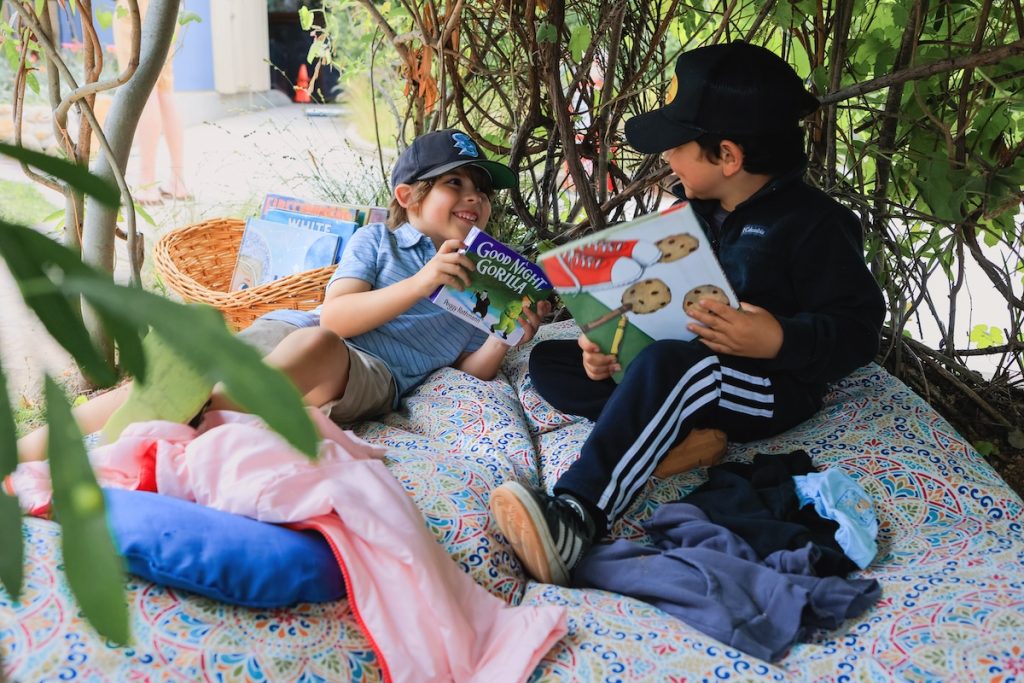
Cutting strengthens fine motor skills, jumping builds coordination and confidence, and picking berries can easily turn into a fun (and delicious) counting game. These everyday moments offer just a small peek into what children gain from their outdoor classrooms, along with important social-emotional skills like self-regulation, cooperation, and empathy.
Since 2020, First 5 Santa Barbara County (First 5 SBC) has invested over $1 million in outdoor classrooms at public schools across the county. Guided by the belief that access to nature fuels curiosity, imagination, and lifelong learning, First 5 SBC is committed to making sure young children— especially those facing geographic or transportation barriers— can experience nature as part of their everyday school routine.
Outdoor classrooms are thoughtfully designed to support hands-on, intentional, and sustainability-focused learning. Rather than being an occasional enrichment activity, outdoor learning is woven into the school day, giving educators meaningful ways to engage students while supporting strong developmental outcomes. With eight school districts in the county already participating and several completed sites, First 5 SBC is creating a scalable model that benefits both children and educators.
So, what does it take to bring one of these inspiring spaces to life?
Creating an outdoor classroom is a deeply collaborative process. From partnering with designers to transforming concepts into architectural plans to breaking ground with construction crews, it truly takes a team to make these spaces possible. Here’s a behind-the-scenes look at how our design partner, Nature Explore, helps turn outdoor classrooms from an idea into a reality:
Start with shared vision – The process begins by bringing educators, administrators, and community partners together with consultants to explore research-based design principles, align on goals, and shape a shared vision for a thoughtful, site-specific outdoor classroom.
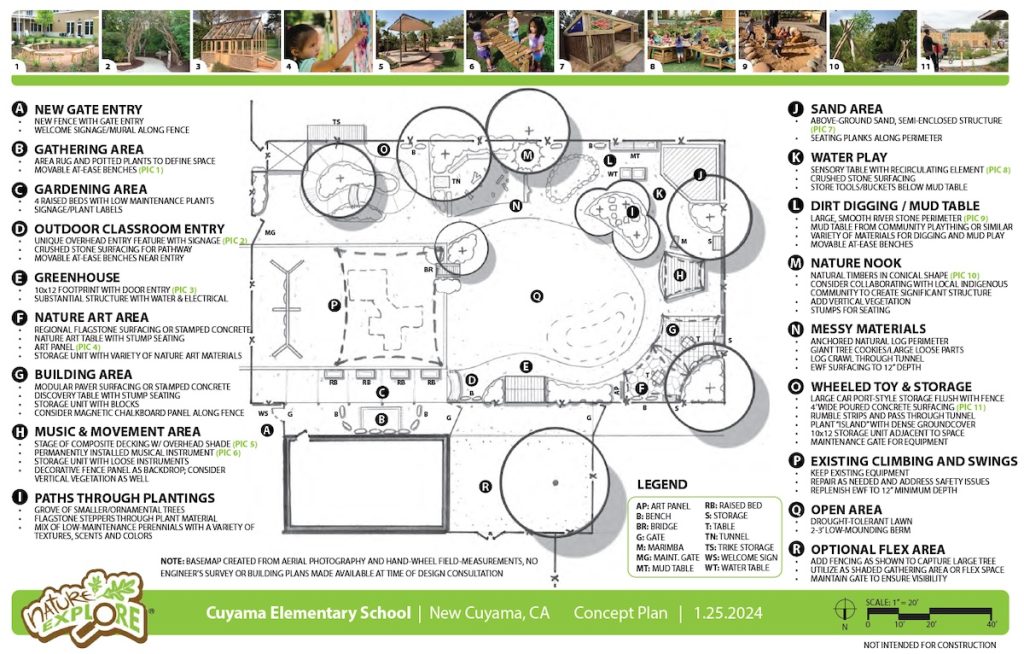
Imagine the space – A hand-drawn concept plan brings the outdoor classroom to life, offering a clear, to-scale vision that can be shared with builders and project partners.
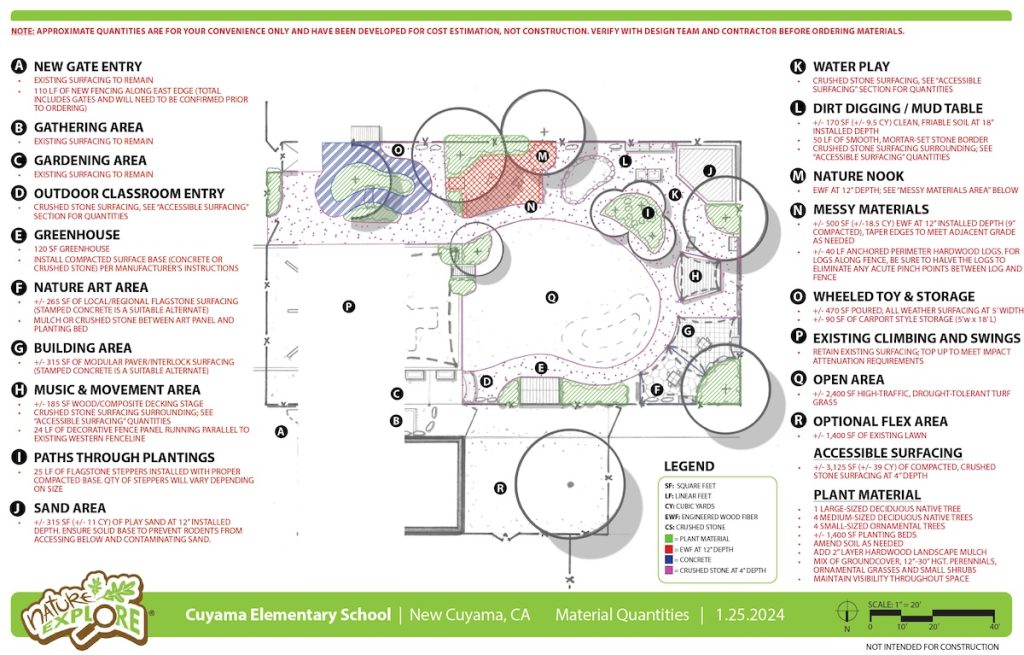
Plan and budget – Material estimates help schools plan ahead by outlining quantities needed for construction, from paving and mulch to areas for sand and water play.
Visualize the experience – Color plans and 3D renderings make it easy for educators, families, and funders to picture how children will learn and play in the space.
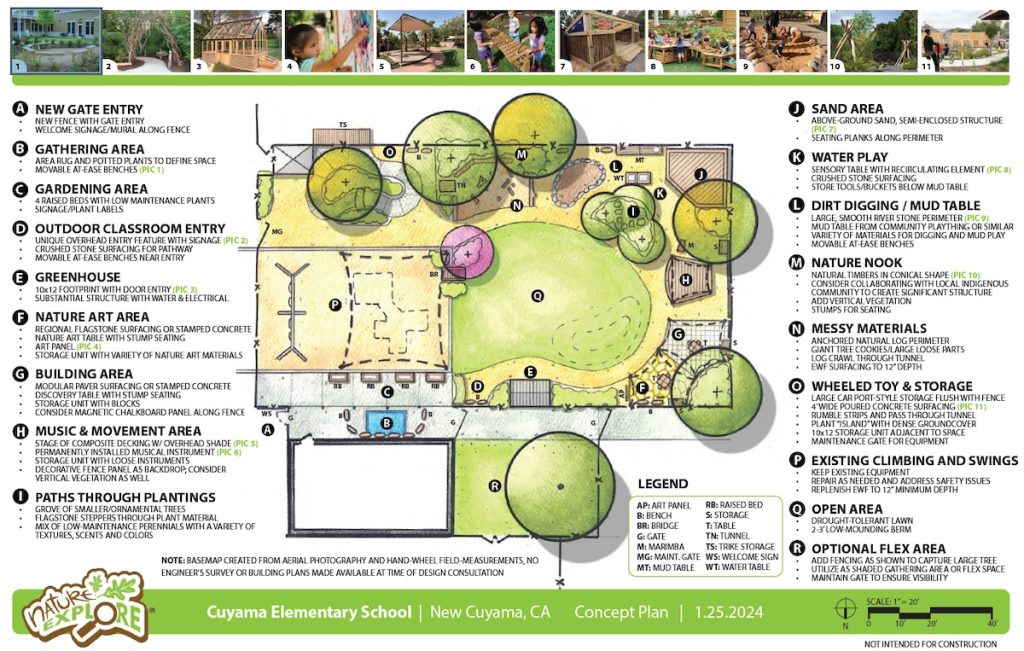
Map the details – A written project summary captures site-specific goals, resources, and strategies to guide successful implementation.
Choose the right elements – Curated recommendations for furnishings and materials ensure each space is engaging, durable, and well-suited to hands-on learning.
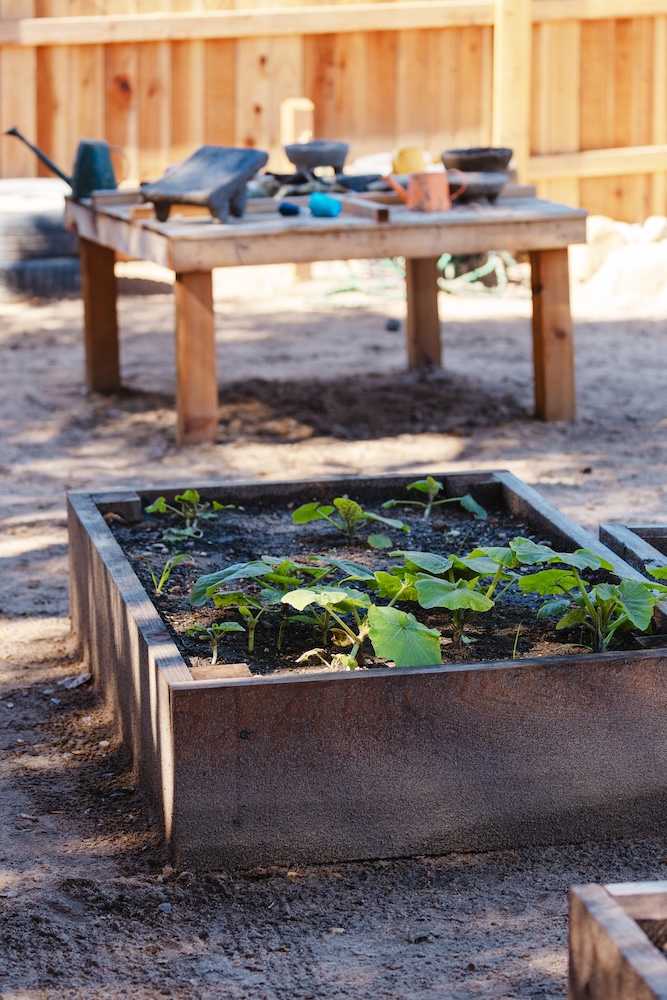
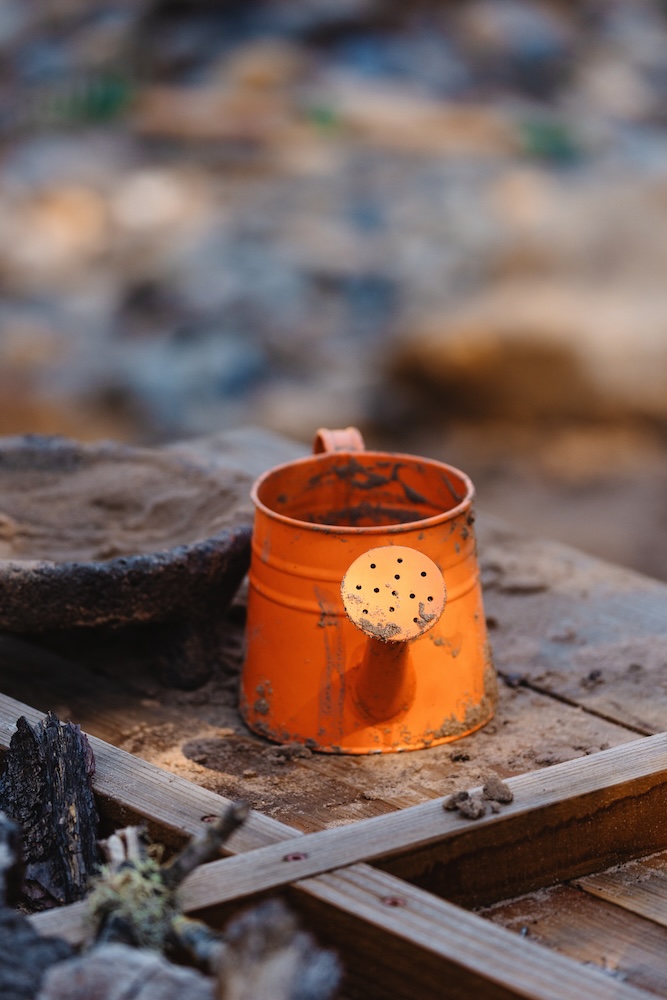
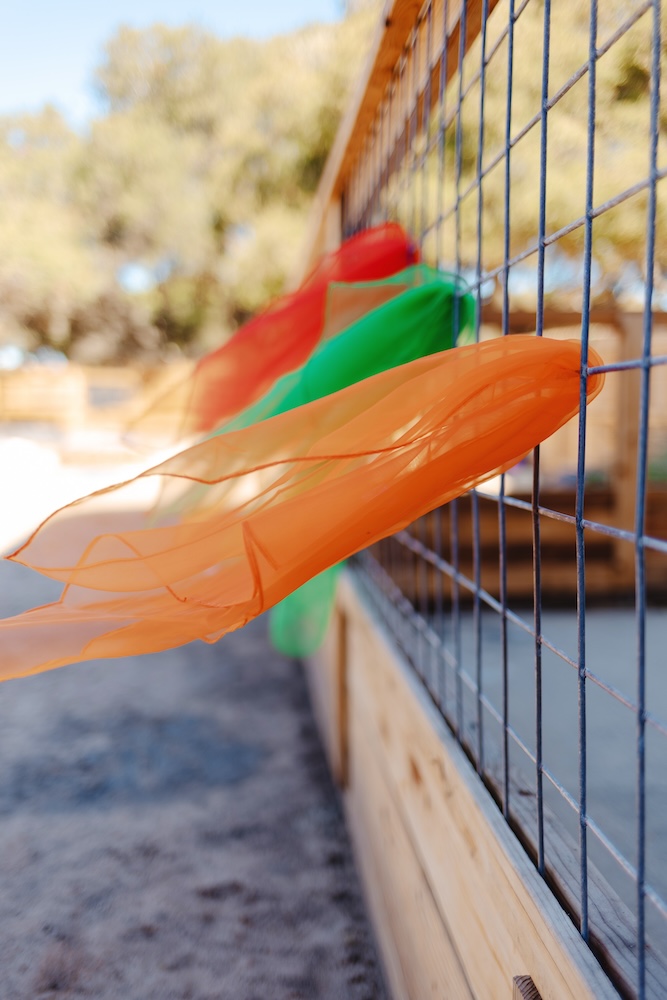
Once the design process with Nature Explore is complete, plans are submitted to architects and contractors are selected to begin construction. It’s a complex process, but one that results in spaces where learning truly takes root.
And we are just getting started.
As you can imagine, outdoor classrooms require a significant financial investment— with an even greater return. Depending on a school’s specific needs, these learning environments can cost anywhere from $200,000 to $1 million or more. Despite the upfront costs, schools actively pursue funding because of the tremendous return on investment for young children.
Several projects have already or are about to break ground, and there are meaningful ways for our community to help bring them across the finish line. Capital funding is still needed to complete key elements of these spaces, from landscaping and learning materials to fully developed outdoor learning areas. Each site offers tours and includes naming opportunities for those interested in leaving a lasting legacy.
If you’d like to get involved, explore, or support one of these upcoming projects, visit the links below:
- Hope Elementary School District, Hope School
hsdef.org/current-campaign - Santa Barbara Unified School District, McKinley School
sbefoundation.org/community-programs - Carpinteria Unified School District, Aliso School
carpedfoundation.org/cef/donate
Together, we can help ensure more children have daily access to nature-rich learning environments that inspire curiosity, connection, and lifelong learning.
For more information, contact First 5 Santa Barbara County: [email protected]
First 5 – Santa Barbara County
Donate now!
first5santabarbaracounty.org
Deputy Director: Michelle Robertson
(805) 335-4990
Mission
First 5 Santa Barbara County exists to energize, activate, and mobilize the communities of Santa Barbara County to be key change agents towards improving the conditions and outcomes for children prenatal through age five.
Begin to Build a Relationship
We know you care about where your money goes and how it is used. Connect with this organization’s leadership in order to begin to build this important relationship. Your email will be sent directly to this organization’s director of development and/or Executive Director.
Hope School’s nature exploration area will ensure that every child, regardless of circumstance, has access to the wonder and lasting benefits of learning in nature. An investment in this space is an investment in generations of children who will learn, grow, and thrive here.
Be Part of the Solution
- Be Part of the Solution: Together, we can help young children and families in Santa Barbara County thrive.
- Help Build Outdoor Classrooms:
- Hope Elementary School District, Hope School: hsdef.org/current-campaign
- Santa Barbara Unified School District, McKinley School: sbefoundation.org/community-programs
- Carpinteria Unified School District, Aliso School: carpedfoundation.org/cef/donate
- Support Strong Families and Communities through the Network of Family Resource Centers:
- Provide Childcare Scholarships through the United Way’s Brighter Futures Childcare Fund:
- Help Build Outdoor Classrooms: